Labor Day: A Holiday Named, Somewhat Alarmingly, After Breathing Hard
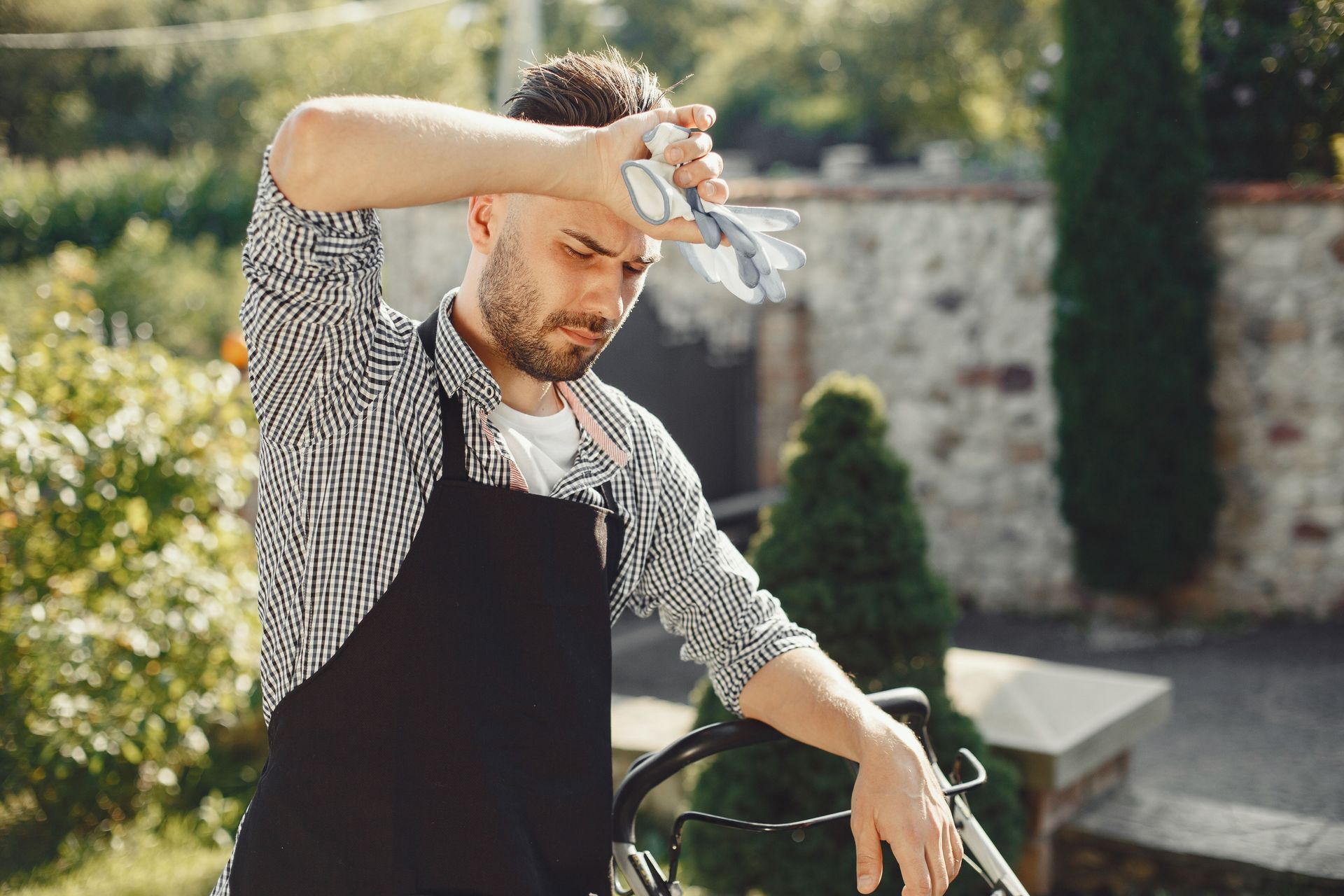
Labor Day is the one federal holiday where America agrees, as a nation, to grill meat until it achieves the structural integrity of a hockey puck, wear white pants for the last socially sanctioned time until Memorial Day, and pretend that mattress sales are a legitimate reason for a three-day weekend. Nobody actually knows why we celebrate Labor Day. Ask ten people and eight of them will say "workers," one will say "the end of summer," and one — I am not making this up, this happened to me at an actual cookout in Athens, Georgia — will say "I think it's a Chevy thing."
It is not a Chevy thing. Labor Day was created in the 1880s to honor the American worker, back when a "long weekend" meant you only lost two fingers in the machinery instead of three. Since then, we've mostly repurposed it into a holiday for doing yard work so aggressive it requires its own recovery period, which brings me, by a route that would make a chiropractor weep, to the actual point of this article: labored breathing.
Yes. Labor Day. Labored breathing. I did not choose this pun. The English language handed it to me, unsolicited, the way your uncle hands you a sparkler and walks away.
The Great American Weekend of Overexertion
Here is what a typical Labor Day looks like for a large percentage of the population: you spend three months doing essentially no physical activity beyond walking to the mailbox and occasionally lifting a remote control. Then, on the first Monday in September, you decide this is the day you will move furniture, pressure-wash the driveway, coach a pickup football game against people half your age, and finish it off by carrying a cooler the size of a Kia up a flight of stairs.
Somewhere around the second flight, you notice you're breathing like a man being chased by a bear. You chalk it up to "being out of shape," pour a beverage, and move on with your life. This is a completely normal response. It is also, occasionally, exactly the wrong one.
A Reality-Based Labored Breathing Q&A
Q: I got winded carrying the cooler. Does that mean something is wrong with my lungs?
A: Probably not. It might mean you carried a cooler that weighed as much as a golden retriever up a flight of stairs while wearing flip-flops. Bodies are allowed to protest that.
Q: Okay, but I've gotten winded doing that same activity for three Labor Days in a row, and each year it gets a little worse.
A: Now we're having a different conversation. A pattern is not a coincidence; a pattern is data, and your body has been sending it to you for three years running.
Q: What if I just wait until after the holiday weekend to think about it?
A: You absolutely may do that. Many people do. They usually come see us in October, describing symptoms they first noticed at a Labor Day cookout, delivered with the tone of someone reporting a minor annoyance rather than something they've been quietly managing since Labor Day weekend.
Q: What if it's not exertion — what if I'm winded doing basically nothing?
A: That question you should not be waiting to ask a blog post. Call us.
The Part Where the Jokes Take a Breath
Here's the sincere version, because this matters more than the cooler joke: shortness of breath that shows up only with real exertion and resolves with rest is common and often unremarkable. Shortness of breath that's new, that's getting worse over weeks or months, that happens with less activity than it used to, or that shows up at rest or wakes you from sleep — that's your body flagging something that deserves an actual evaluation, not a wait-and-see approach that lasts until next Labor Day.
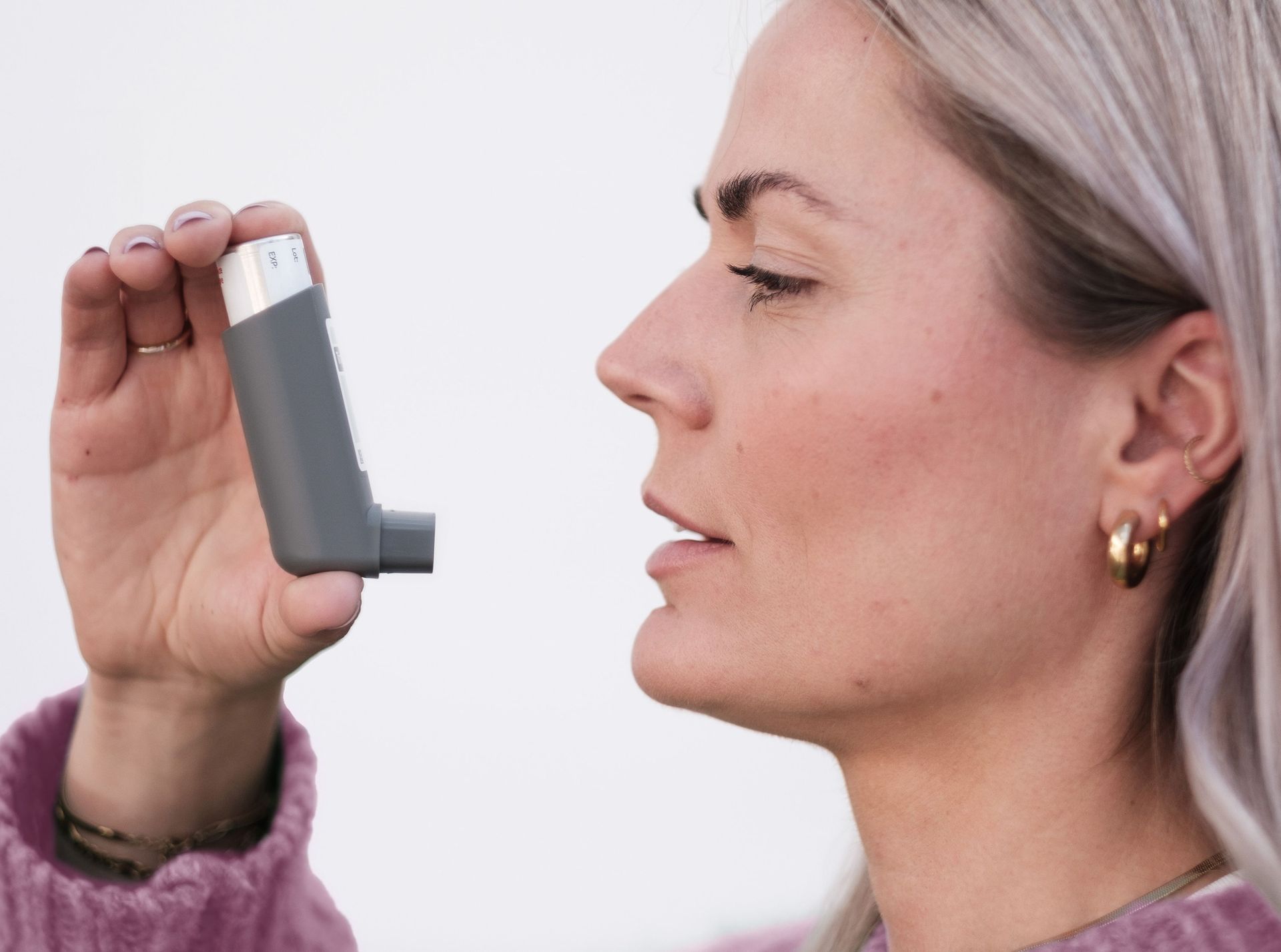
Conditions we see constantly at this practice — asthma, COPD, sleep apnea, heart-lung interactions — often announce themselves first as "I got more winded than I expected doing something I've always done." People explain it away for months, sometimes years, because the alternative is admitting it might be something. It's rarely nothing, and it's never something you should self-diagnose over a paper plate of ribs.
What To Actually Do About It
- Notice the pattern, not just the incident. One rough Labor Day means little. Three rough Labor Days in a row, or breathlessness that's crept into everyday tasks, means it's time to get it checked.
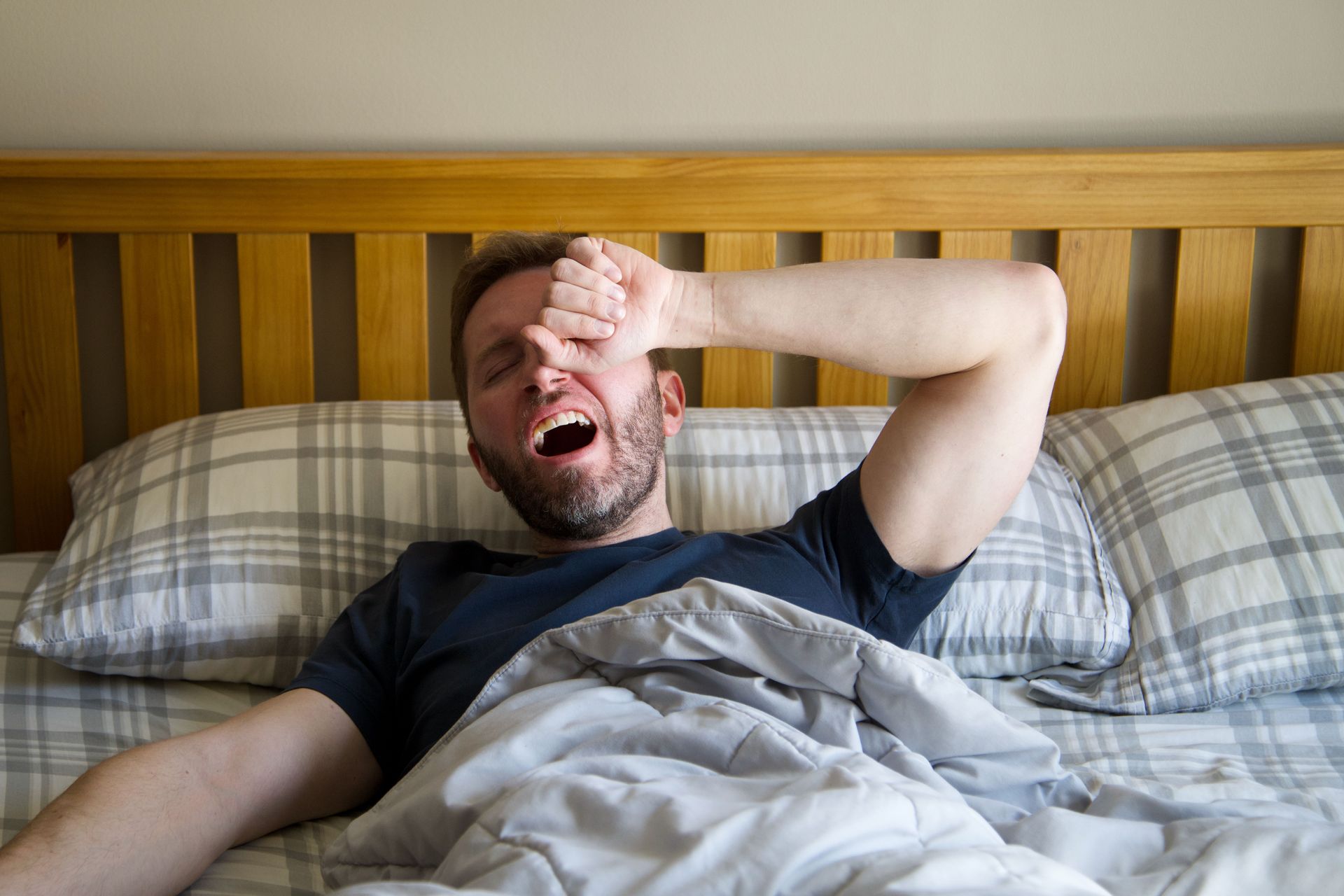
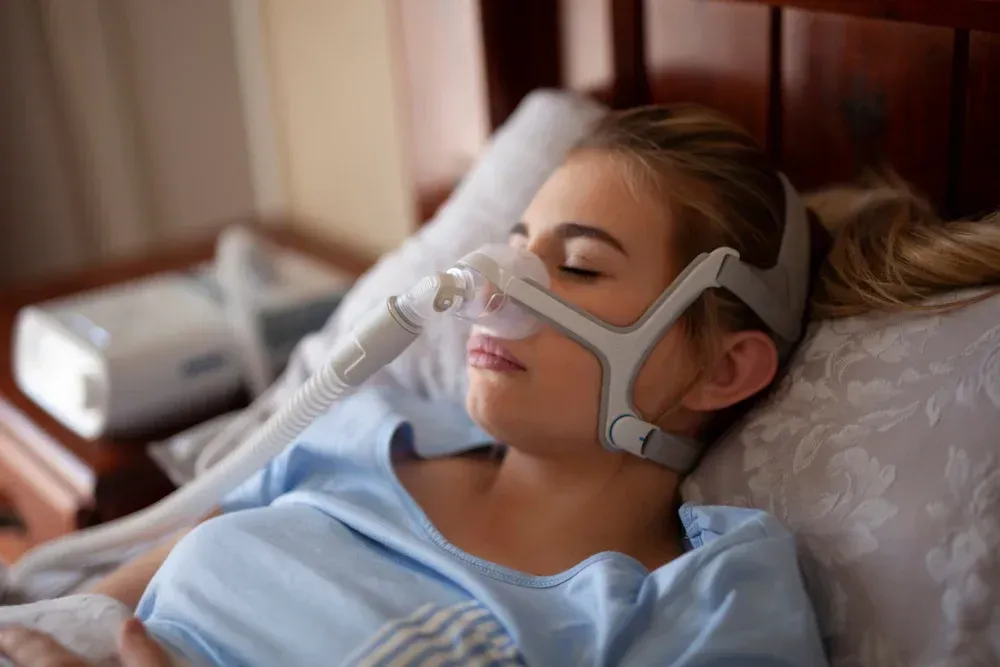
- Pay attention to nighttime, not just yard work. Snoring, gasping awake, or waking up as tired as you were when you went to bed is its own red flag — one that has nothing to do with cooler-lifting and everything to do with how you're breathing while you sleep.
- Write down what actually happened. "Winded after two flights of stairs carrying 40 pounds" is useful information for a physician. "I felt weird" is not.
- Don't wait for the holiday to be a diagnosis. If something felt off this weekend, that's the appointment-scheduling equivalent of your body raising its hand.
The Warm Landing
Labor Day is supposed to be a celebration of rest earned through work — a nice idea that we've mostly converted into an excuse to find out exactly how much yard our yard actually has. If this weekend left you more breathless than you expected, or if it confirmed something you'd already been noticing, that's worth a real conversation, not a "guess I'm getting older" shrug and a second helping of potato salad.
Our pulmonary and sleep medicine team spends every day helping people figure out the difference between "out of shape" and "something we should actually look at" — and we'd genuinely rather see you now, with your questions, than in October, with your symptoms.
Enjoy the long weekend. Wear the white pants if you must. Just don't let the labored part of Labor Day become your new normal.