COPD: The Slow Fade Nobody Wants to Talk About

Let's start with a hard truth: somewhere in America right now, a perfectly reasonable adult is standing at the bottom of a single flight of stairs, looking up at it like it's Stone Mountain. They are telling themselves they're just out of shape. They have been telling themselves this for approximately six years.
This is how Chronic Obstructive Pulmonary Disease works. It does not announce itself. It does not send a save-the-date. It just quietly, patiently, over the course of years, starts stealing your stairs, then your yard work, then your ability to carry groceries in more than one trip, and it does all of this so gradually that you adjust every single time, like a frog in a pot that has genuinely convinced itself the water is "kind of nice, actually."
COPD is now the fourth leading cause of death in the United States, which is a sentence that should get more attention than it does, mostly because the disease itself is such a spectacularly patient con artist. It mostly shows up in current and former smokers, though it can also come from long-term exposure to things like workplace dust, chemical fumes, or even significant air pollution — but the common thread is years of slow damage to the lungs that finally starts sending up flares once enough of the damage has piled up. And the flares it sends are subtle: a cough you've had "forever." Getting winded doing things that never used to wind you. Needing to stop and catch your breath halfway through a task you've done a thousand times.
Here's the escalation, and it is a real one. First you stop doing the strenuous stuff — yard work, the extra flight of stairs, anything involving a ladder. Then you stop doing the moderate stuff — a lap around the block, playing with grandkids on the floor. Then, if nobody intervenes, you start reorganizing your entire life around a twenty-foot radius, and you call this "just getting older," the same way people once called scurvy "just getting tired."
Here's a quick self-assessment. Answer honestly. Nobody's grading this except your lungs, and they have been grading you for years.
Q: Do you have a cough that's been hanging around for months, maybe years, that you've just sort of stopped mentioning to people?
A: That's not a personality trait. That's a symptom wearing a disguise.
Q: Are you a senior citizen?
A: If so, you have almost certainly been told your breathlessness is "just age." Age does not, on its own, make you unable to finish a sentence without pausing for air. We checked. Twice.
Q: Do you find yourself taking the elevator for one flight, or parking as close to the door as humanly possible, and telling yourself this is just being "efficient"?
A: Efficient is a word people use right before they stop doing something entirely.
Q: Are you a senior citizen who used to be a smoker, currently is a smoker, or spent a couple of decades in a job with a lot of dust, fumes, or chemicals in the air?
A: Then you are exactly the person this article is for, and we would like you to keep reading instead of skimming to the end to see if we let you off the hook. We don't.
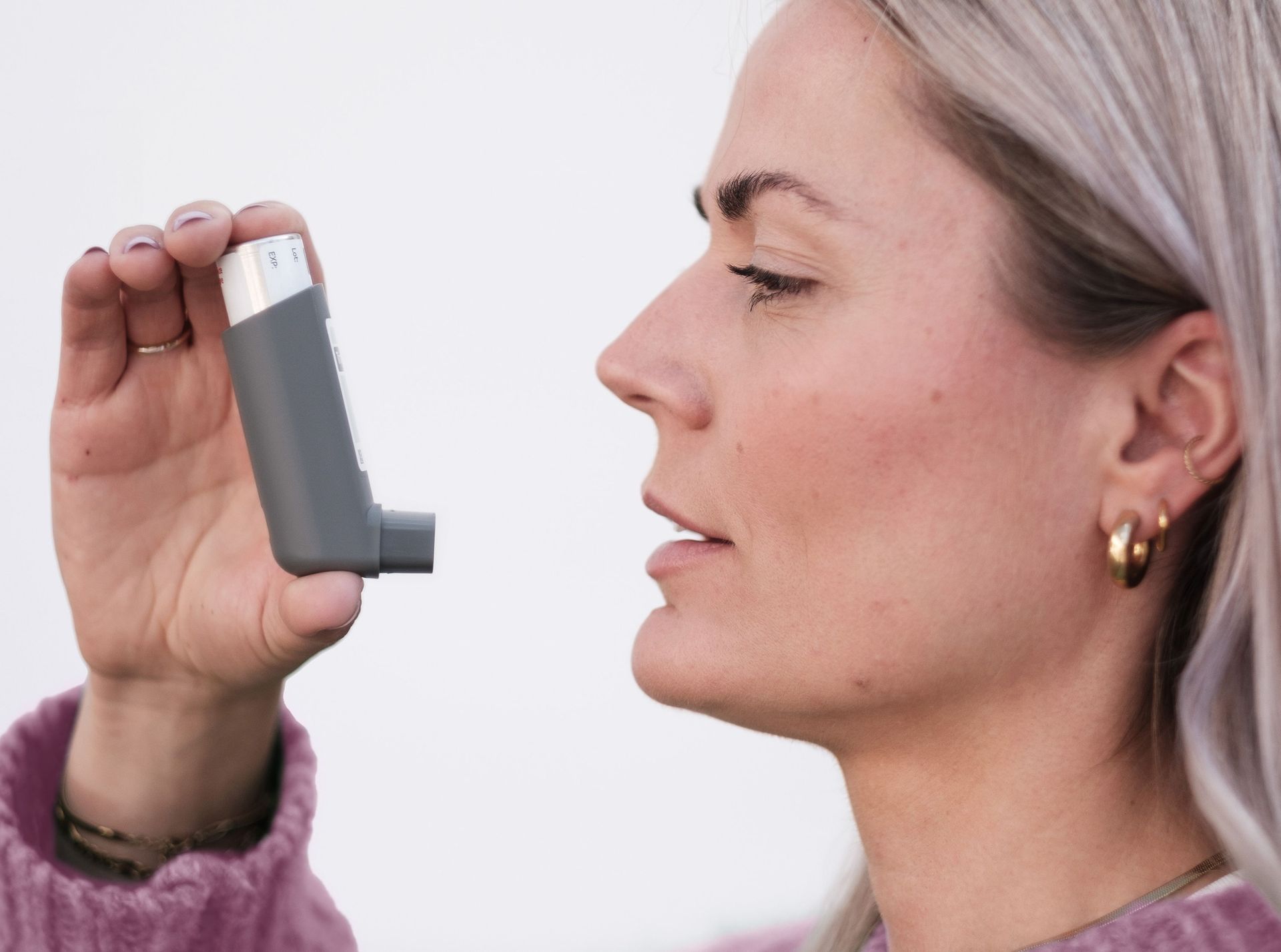
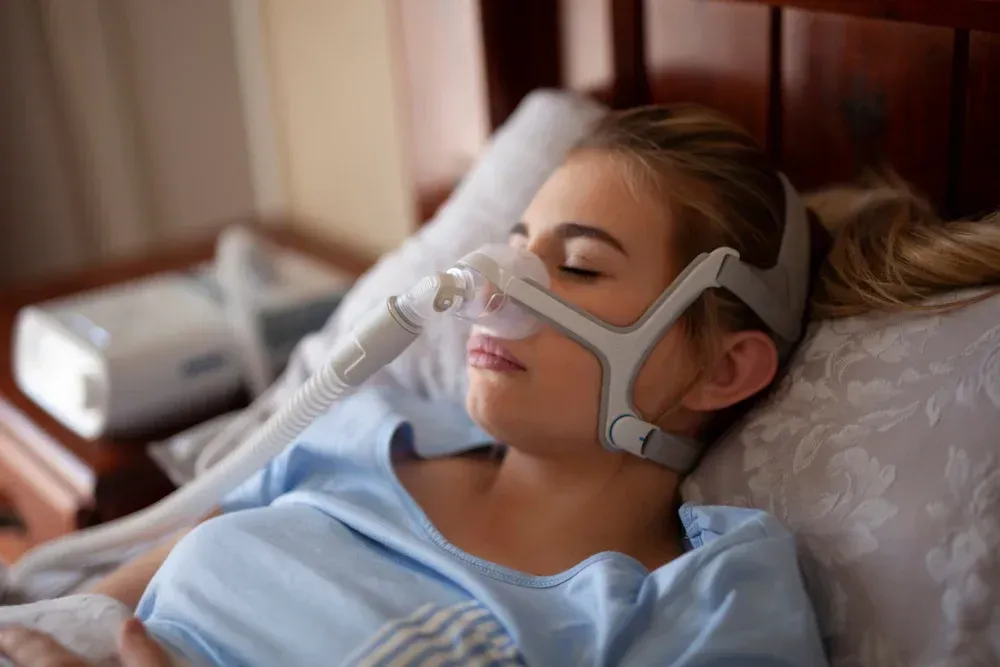
Here's the part where the jokes have to step back for a second, because this one matters. COPD is progressive, which means it doesn't reverse on its own, and it doesn't wait for a more convenient decade of your life to get worse. But — and this is the actual point of this entire article — it is also very treatable, especially when it's caught early instead of at the point where you've quietly given up stairs altogether. Modern COPD care includes medications that open and calm the airways, pulmonary rehabilitation programs that rebuild real stamina, oxygen therapy for those who need it, and — for current smokers — real, serious, non-judgmental help quitting, because that single change does more for the trajectory of this disease than almost anything else available. People diagnosed early and treated well can hold onto their stairs, their yard work, and their grandkids-on-the-floor years for a lot longer than the ones who wait it out.
The tell isn't one dramatic moment. It's a pattern: a cough that's stuck around too long, breathlessness that's crept in over months or years, a list of things you "just don't do anymore" that keeps quietly growing. If any of that sounds familiar, it's worth a real conversation and a simple breathing test — not a lecture, just information, which is a thing you're currently missing.
If you've been redesigning your life around your breathing without ever officially deciding to, come talk to us at Athens Pulmonary & Sleep Medicine. Call 706-549-5560. We'd rather catch this on the stairs than in the emergency room.
Your lungs kept the receipts. Let's go take a look at them.