More than Sleep Apnea: Insomnia, Restless Legs & Other Sleep Disorders: When to Seek Help
Sleep Apnea Has a Publicist
Meet the other sleep disorders: Insomnia, Restless Legs, and more...

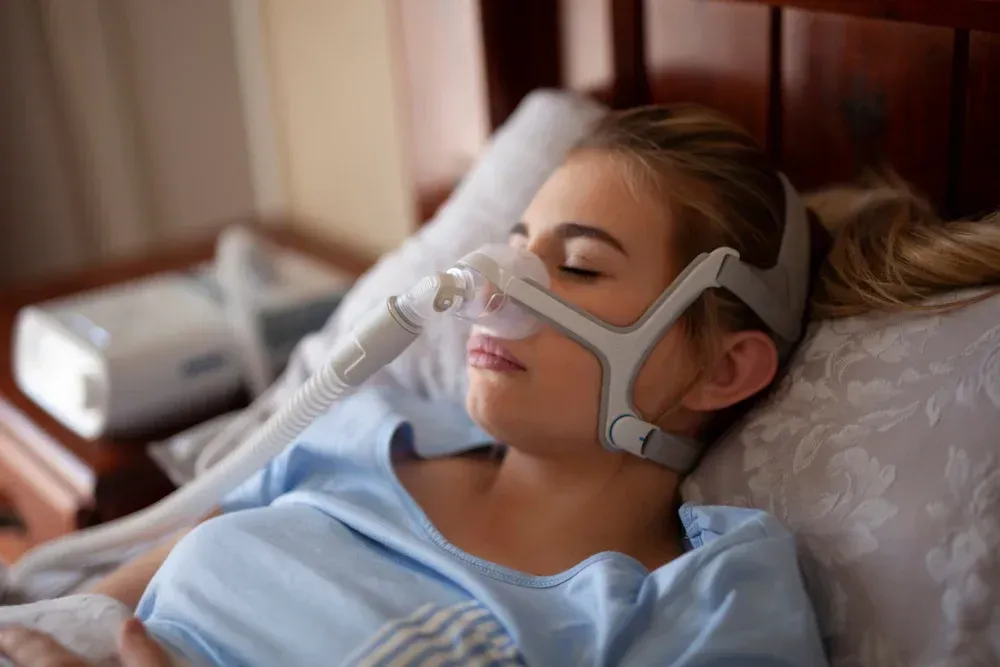
Sleep apnea gets all the attention. It has the machines, the masks, and the jokes about your spouse sounding like a leaf blower in a drainpipe. As a sleep practice, we feel a little guilty about this. We talk about apnea a lot. We love apnea. But the other sleep disorders have worked very hard to ruin your nights, and they deserve a turn at the microphone.
So today we're going to talk about sleep problems beyond sleep apnea: insomnia, restless legs syndrome, narcolepsy, shift-work sleep trouble, and parasomnias, which is our medical word for "weird stuff your body does while you're unconscious." These are all things we see and care for here at Athens Pulmonary & Sleep Medicine.
A word about who's writing this. We have 14 physicians (really), 12 mid-level providers, and a large staff of nurses and administrative personnel. Collectively, we have studied sleep for many years. Individually, we have also fallen asleep in meetings, in parked cars, and in at least one case during a lecture about sleep. Nobody names names.
What Counts as a Sleep Disorder?
A sleep disorder is, roughly, any ongoing problem with falling asleep, staying asleep, sleeping at the right time, or behaving yourself while asleep. That includes movements and behaviors you didn't sign off on.
Everybody has a bad night now and then. You drank a large coffee at 4 p.m. because you are a grown adult and nobody can stop you, and then you stared at the ceiling until dawn. That's not necessarily a disorder. That's a lesson, and you will ignore it next Tuesday.
A pattern is different. If poor sleep keeps happening and starts affecting your days, your mood, your focus, or your ability to remember why you walked into the kitchen, it's worth talking to a clinician. (The kitchen thing happens to all of us. We just mention it because we've watched it happen in our own break room.)
Health conditions, medications, work schedules, and habits can all tangle together, which means you can't reliably diagnose yourself from a symptom list. The internet will tell you your tiredness is either nothing or a rare tropical condition. The internet has never examined you.
A Brief Quiz, Because Every Medical Article Needs One
Q. Do I have a sleep disorder?
A. We can't tell you from here. We'd need to hear your history. Your cousin's friend's chiropractor can't tell you either.
Q. Can I have a sleep disorder without having sleep apnea?
A. Yes. Apnea is one category among several. It's the one with the best publicist.
Q. Do all sleep disorders require a sleep study?
A. No. What testing you need depends on your symptoms and your clinician's judgment.
Q. Are you a senior citizen?
A. We ask everyone this, in the tone of a TSA agent who has heard every excuse. Sleep trouble can affect nearly anybody, so the answer doesn't let you off the hook either way.

Insomnia: The 3 A.M. Debate Club
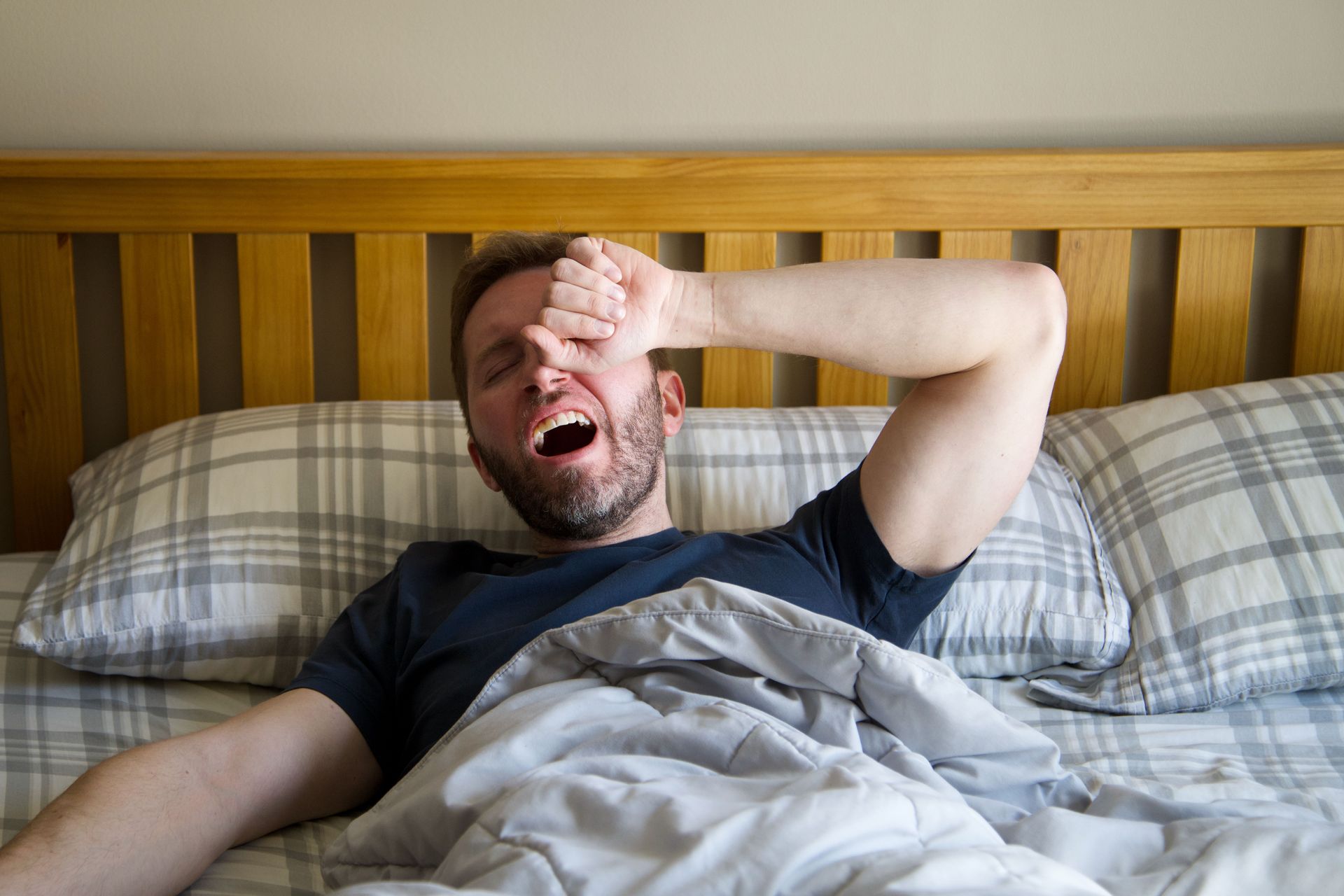
Insomnia means trouble falling asleep, staying asleep, or waking too early, or waking up and feeling like you slept in a bus station. You may also notice effects on your mood, focus, and daytime energy.
The cruel part is the nighttime brain. At 3 a.m. it holds a full-scale debate with itself about things like a comment you made at a barbecue in 2011. There is no moderator. Nobody wins.
Occasional bad nights are normal. But when it's persistent, or it's wrecking your days, it's time to ask for help. We'd rather see you early than after another year of arguing with your ceiling.
What an evaluation may involve. A clinician will likely ask about your sleep patterns, your schedule, your symptoms, your health history, and your medications. A sleep diary can help, which is a notebook where you jot down when you slept and woke. Please do not write "terribly" on every line. We love details. We can do very little with a poem. And a sleep study isn't always required to assess insomnia.
Treatment is individualized. What helps depends on what's causing it and what you need. Please resist the urge to self-prescribe a sleep medication you found in a drawer, a gift bag, or the purse of a relative. Talk with us or another qualified clinician about your options instead.

Restless Legs Syndrome: When Your Legs Have Plans
Restless legs syndrome, or RLS, is a strange one. People often describe an urge to move the legs, frequently with uncomfortable sensations, that arises or worsens during rest. Moving them tends to bring temporary relief. It commonly shows up in the evening or at night, which is exactly when you were hoping to lie still like a dignified person.
Picture trying to watch a movie while your legs insist on a jog. They have somewhere to be. They won't say where.
A caution, though: leg discomfort has several possible causes, so having it doesn't mean you have RLS. Symptoms alone don't settle it.
Why assessment matters. A clinician looks at your symptom pattern and relevant health factors. Depending on the situation, that may include checking your iron status. Please do not run to the vitamin aisle and start stuffing yourself with iron supplements. Ask a clinician first.
According to guidance from the American Academy of Sleep Medicine, caffeine, alcohol, some medicines, and untreated sleep apnea may make RLS symptoms worse in some people. (Yes, apnea shows up again. It's like the guest who wasn't invited but is somehow in every photo.) If you take medications, review them with your clinician. Please don't stop them on your own because a blog post made you nervous.
Treatment choices depend on the person. Guidance on treating RLS has evolved over the years, and a clinician should tailor the plan to you. We're not going to tell you what to take in a blog post. We'd like to know you first.
The Rest of the Lineup
Narcolepsy. The main headline here is excessive daytime sleepiness, the kind that goes beyond "I stayed up too late binge-watching a show about competitive baking." If you're struggling to stay awake through the day on a regular basis, that deserves a medical conversation. Sleepiness alone doesn't diagnose narcolepsy, though. That takes an evaluation, not a guess.
Shift-work disorder. Some people work schedules that fight directly against the body's sleep-wake timing: overnights, rotating shifts, the early-early-early morning. The result can be sleep trouble, sleepiness, or both. If you work nights and your body feels like it's permanently in the wrong time zone, you're not imagining it, and it's worth asking about.
Parasomnias. This is the broad category of unusual behaviors or experiences during sleep. Things you do, or things that happen, that you only learn about because a family member tells you at breakfast, with an expression. If these episodes are recurring, distressing, or potentially unsafe, they deserve a conversation with a clinician. Walking into the garage at 2 a.m. is the kind of thing we'd like to hear about.
We'll stop there. Each of these has depth well beyond what one blog post can cover, and we'd rather save it for an appointment.
When Should You Talk With a Sleep Specialist?
Here's the part where we set the jokes down for a moment, because it matters.
Please seek advice when your sleep trouble is persistent, interferes with your daily activities, causes significant daytime sleepiness, or involves recurring or unusual nighttime symptoms.
And please seek prompt medical advice if sleepiness is a safety issue. If you're having trouble staying alert while driving, or during other tasks where a lapse could hurt you or someone else, that's not something to tough out. Nobody gets a trophy for nodding off at a red light.
Before your visit, bring a few things: a short timeline of your symptoms, your usual sleep and wake schedule, a list of your medications, and any observations from a bed partner, who has probably been taking notes for years and may be very eager to share them.
This article is for education, not personal medical advice. A sleep doctor in Athens, GA can look at your situation in a way a blog post can't.
What to Expect From a Sleep Evaluation
The first step is usually a conversation: your symptoms, your sleep schedule, your medical history, and relevant medications. It's less dramatic than you'd think. Nobody straps you to anything. (That comes later, if it comes at all.)
After that, whether you need further evaluation or testing depends on what we suspect and what our clinical judgment says. We offer both home and in-lab sleep studies as part of our sleep care. They're options, not a rule, and neither one is the right answer for every disorder. We'll work out with you what, if anything, makes sense.
For current details, visit our sleep disorders page and our services page.
The Bottom Line
Sleep apnea is only one of several things that can stand between you and a good night's rest. If your sleep problems keep going, don't guess at the cause, and don't start or stop medicines or supplements without professional guidance. Get an evaluation that's about you.
If sleep problems are affecting your daily life, contact us at Athens Pulmonary & Sleep Medicine to learn about our sleep care services and discuss whether an evaluation may be appropriate. If you're looking for a sleep specialist in Athens, GA, we'd be glad to help.
Your legs, your brain, and your bed partner will thank you.
Probably in that order.