What Actually Happens During a Sleep Study? (And Why You Shouldn't Fear the Wires)
You have a picture in your head. I know you do, because everybody does. It involves a metal gurney, several men in lab coats murmuring behind a pane of two-way glass, and enough cables running out of your skull to power a small Waffle House. Possibly there is a mad scientist. Possibly there is lightning outside.
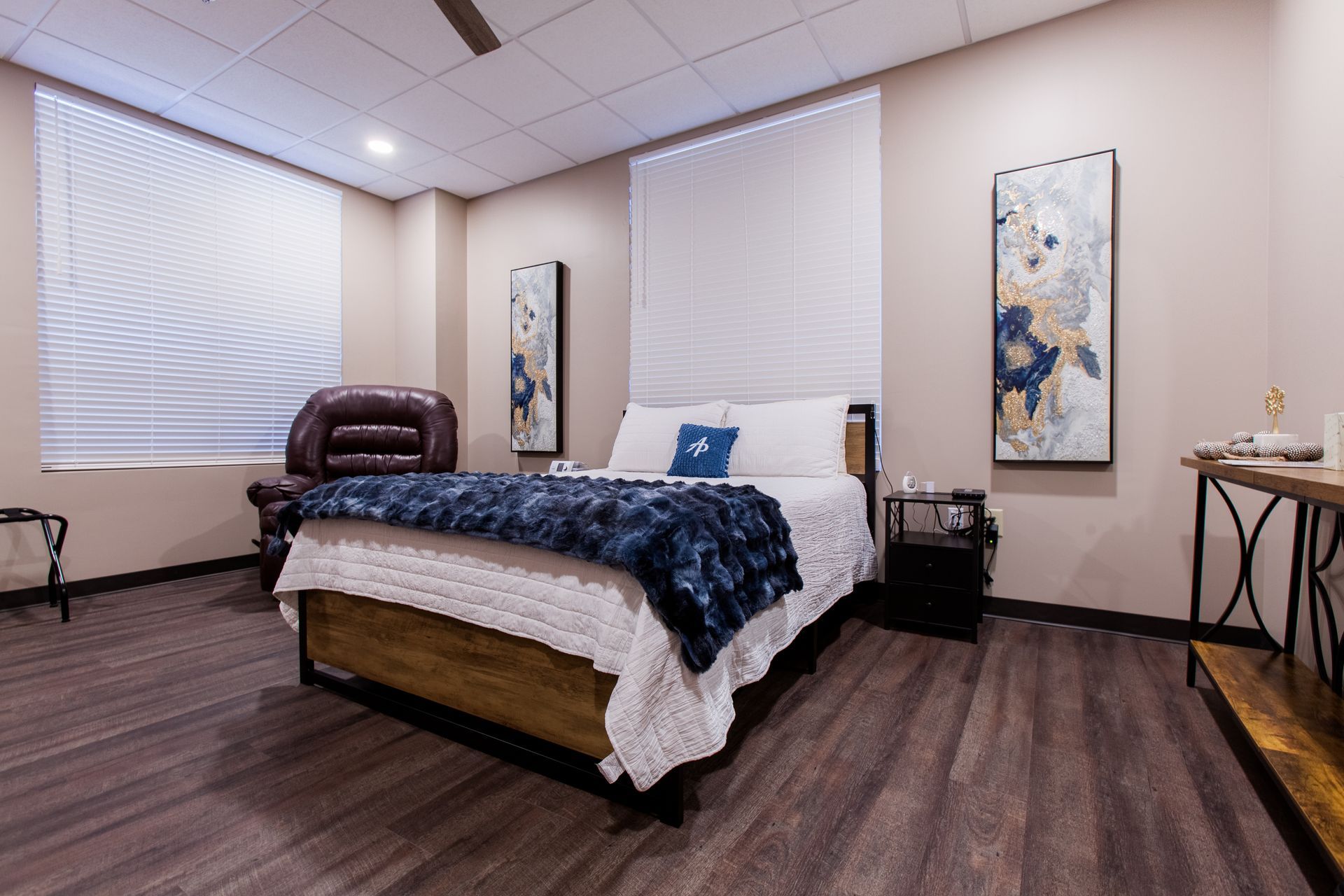
I am here to tell you: this is not what a sleep study looks like. Nobody is going to strap you down like a Thanksgiving turkey and study you like you're a science-fair volcano. A modern sleep lab looks like a slightly above-average hotel room, except the mattress is nicer, nobody steals your shampoo, and instead of a mint on your pillow, you get a technologist who is professionally unbothered by absolutely everything, including whatever face you make when you sleep.
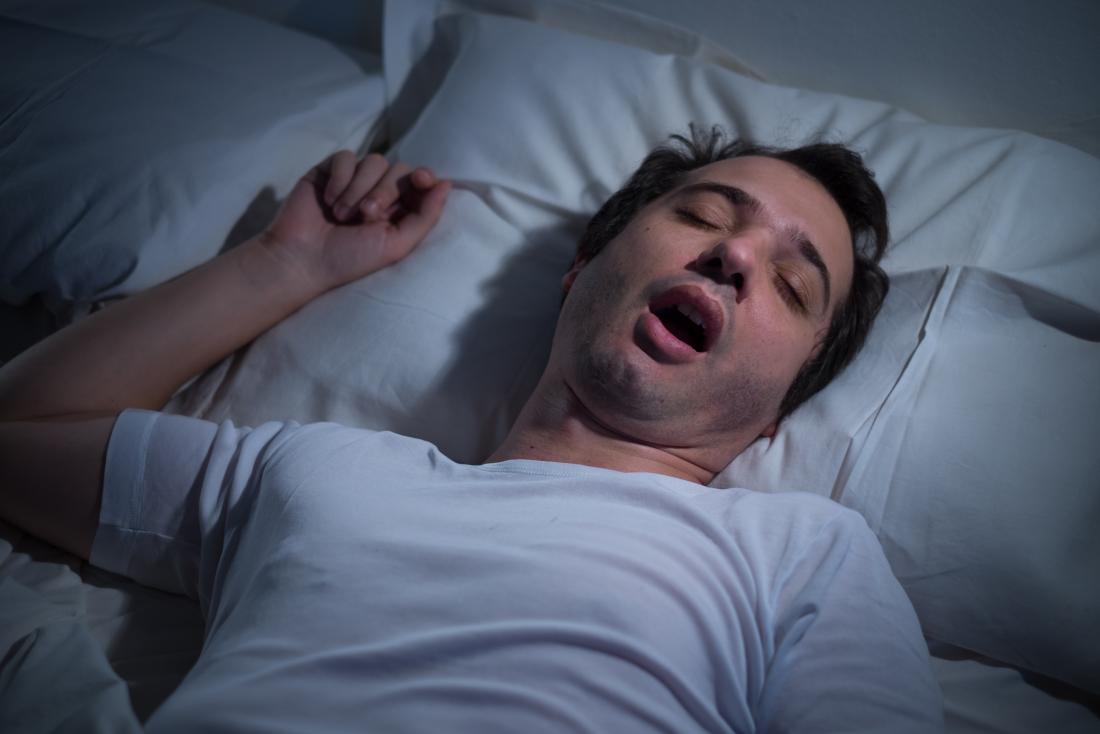
But here's the part that isn't funny, and I want to say it plainly before I go back to making jokes: loud snoring, gasping awake at 3 a.m., and dragging through your entire day like a phone at 4 percent battery are not personality quirks. Untreated sleep disorders quietly lean on your heart, your blood pressure, and your brain, year after year, while you tell yourself you're "just tired." One night of wearing some sensors is a remarkably small price to pay to find out what's actually going on. So let's walk through exactly what happens, wire by wire, so that the only thing keeping you up that night is mild curiosity.
First Fork in the Road: Home Test or Lab Test?
Not every sleep study happens at a facility. Some are conducted in the comfort of your own bed, which is good news for anyone who has strong feelings about their pillow.
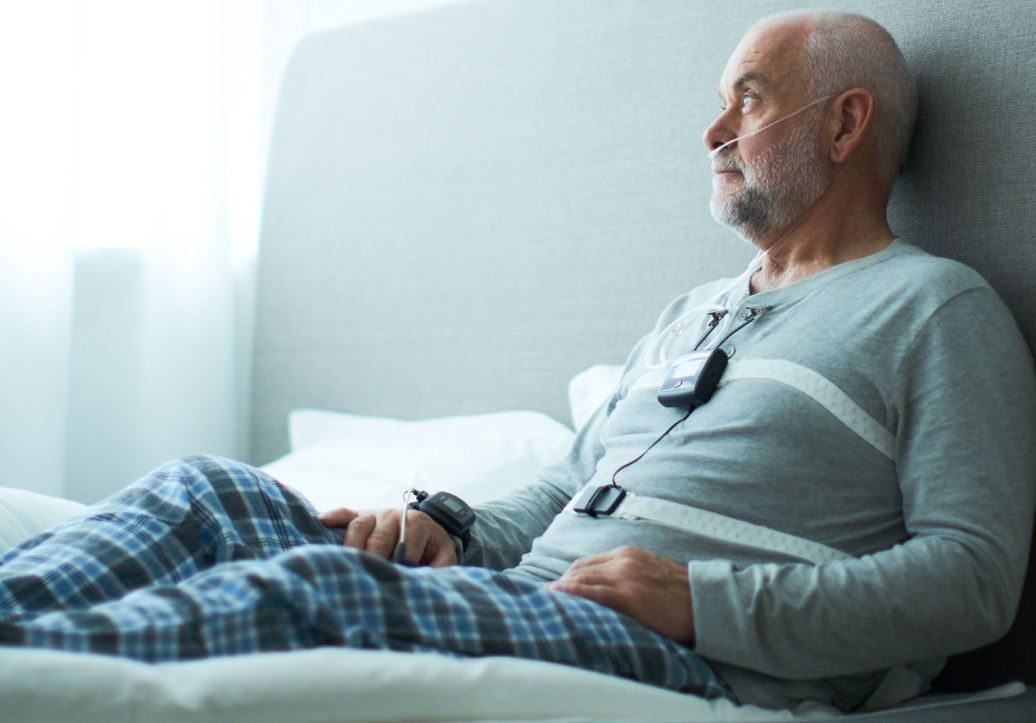
Home Sleep Apnea Testing (HSAT) is for relatively straightforward cases of suspected obstructive sleep apnea. You get sent home with a compact monitor, a nasal cannula, and a fingertip pulse oximeter — think of it as a very polite, very low-stakes ankle monitor for your face. It tracks airflow, breathing effort, and oxygen levels. What it does not do is read your brainwaves, so if your case is more complicated than "snores like a chainsaw, gasps occasionally," this test alone won't give the full picture.
In-lab polysomnography (PSG) — the gold standard — is for more complex situations: suspected central sleep apnea, narcolepsy, restless legs, lung conditions like COPD complicating your breathing at night, or kids who need to be evaluated. This is the version with the overnight stay, the sensors, and a registered sleep technologist watching your signals in real time from the next room, like an extremely calm air traffic controller whose only plane is you.
The Night Before: A Very Boring To-Do List
Here is how to prepare for your night in the lab. I promise these steps are real, even the one that sounds like I'm making it up.
- Keep your day normal. Do not attempt to "bank" sleep by taking a heroic four-hour nap. Your body is not a phone charger.
- Cut off caffeine by early afternoon. That includes the enormous iced coffee you tell yourself is "basically water."
- Skip alcohol and any sedative you don't normally take. Both mess with your sleep architecture and your airway muscle tone, and the whole point of tonight is to see what your sleep actually looks like, not a chemically enhanced impression of it.
- Shower, but hold the product. Clean, dry hair and skin, no gel, no oil, no heavy lotion. The sensors need to stick directly to you, not to a protective layer of your favorite moisturizer.
- Pack like you're staying at a modest but dignified hotel. Loose two-piece pajamas (wires need somewhere to go), your own pillow if that helps you feel human, toiletries, and your current medications.
Notice that none of these steps involve fasting, enemas, or drinking a gallon of anything that tastes like a chemistry experiment. Compared to some things modern medicine asks of you, this is practically a spa night.
Arrival and the Wire-Up: Meet Your Night Guardian
You'll check into your private room, which — again — looks like a hotel, not a lab, because someone in sleep medicine finally realized that people sleep better when their surroundings don't resemble a submarine.
Your technologist is a registered polysomnographic technologist, or RPSGT, which is a genuinely real credential and not something I made up to sound official (though I understand the confusion). This person is not judging your sleep habits. They have seen it all. They are your guide for the evening, and also the only person awake in the building who is professionally thrilled about your breathing patterns.
Here is a rough transcript of what wire-up night sounds like, condensed for your convenience:
TECH: I'm going to put a few sensors on your scalp using a water-soluble paste.
YOU: Is this going to hurt?
TECH: No.
YOU: Is this going to look silly?
TECH: Also no. You'll look like an astronaut who gave up halfway through training.
The actual sensor lineup, translated out of medical Latin:
- EEG (brainwave sensors) on your scalp — tells the doctor whether you're awake, lightly asleep, deep in restorative sleep, or in REM.
- EOG (eye sensors) near your eyes — tracks eye movement to pinpoint REM cycles.
- EMG (muscle sensors) on your chin and shins — monitors muscle relaxation and catches restless leg movements.
- ECG (heart sensors) on your chest — watches your heart rhythm.
- Respiratory effort belts around your chest and belly — distinguish between "your chest is trying to breathe and nothing's getting through" (obstructive) and "your brain briefly forgot to ask" (central).
- Nasal airflow sensor under your nose — measures the actual air moving in and out.
- Pulse oximeter on your fingertip — tracks your blood oxygen all night.
All of these leads run to one small box, which unclips easily if you need to visit the bathroom. You are wired, not welded. Nobody is chaining you to a wall like a medieval prisoner of science.
"What If I Just Lie There All Night?"
This is the single most common fear, and I understand it, because it is deeply on-brand for the human nervous system to become most alert precisely when you need it to shut up.
Here's the clinical reality: patients almost always sleep considerably more than they think they did. You do not need eight flawless, uninterrupted hours for the study to work. Meaningful data comes from fragmented sleep too — which is convenient, because fragmented sleep is exactly what brought you here in the first place.
Your technologist watches everything from a monitoring station down the hall — respiratory pauses, oxygen dips, heart rhythm, signal quality — through a two-way intercom, so if a sensor comes loose or you need help, it's a calm voice away, not a fire alarm.
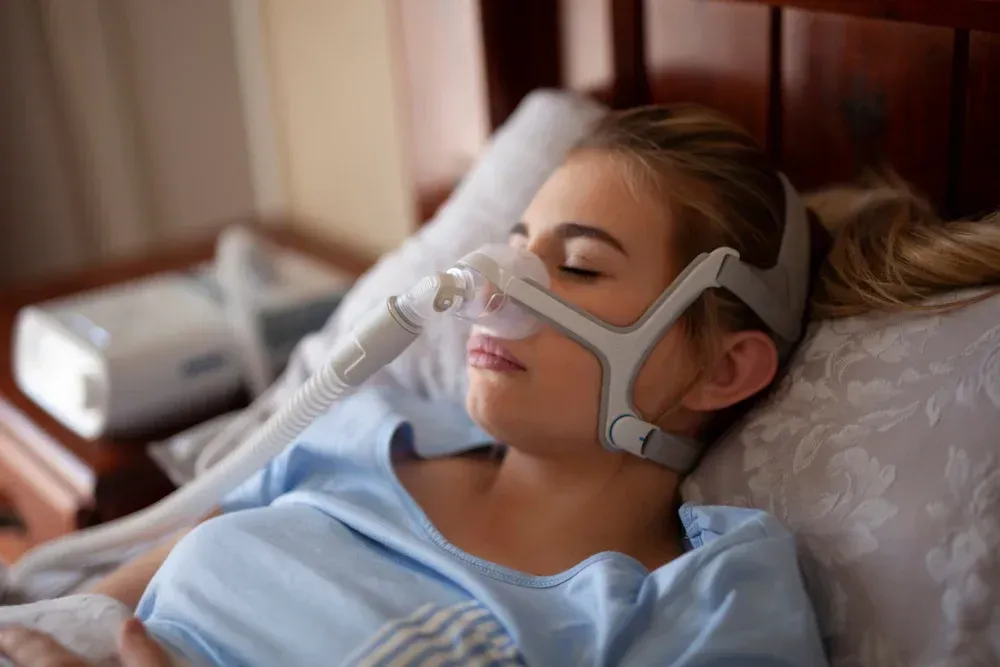
Sometimes, if the technologist sees significant obstructive events building early in the night, they'll wake you gently and introduce CPAP or BiPAP for the second half — a "split-night" study, which quietly upgrades your evening from diagnostic test to on-the-spot treatment calibration. Efficient. Almost rude, really, how efficient.
Morning: The Un-Wiring and What Happens Next
Around 5:30 or 6 a.m., someone wakes you up, and the great unwiring begins. Warm water dissolves the paste, sensors come off, and you leave with no bald patches, no marks, and no evidence you spent the night looking like a very tired astronaut.
Then your data goes to work. Hundreds of pages of overnight telemetry get scored by the technologist and reviewed by a board-certified sleep physician, who calculates your Apnea-Hypopnea Index, your lowest oxygen level of the night, and how your sleep stages actually broke down. At your follow-up, all of that turns into an actual plan — CPAP, an oral appliance, positional therapy, or broader pulmonary management, depending on what your night revealed.
The Kicker
One slightly awkward night wearing sensors is a small trade for years back of energy, clearer mornings, and a heart that isn't quietly working overtime while you sleep. Athens Pulmonary & Sleep Medicine's teams in Athens and Greensboro run this process every night, with real compassion and zero mad-scientist energy.
If you've been putting off finding out what's happening while you sleep, stop putting it off. Call Athens Pulmonary & Sleep Medicine at (706) 549-5560 or request an appointment online.
Your bed is waiting. So, unfortunately, are the wires — but they're friendlier than you think.