Your Lungs Do Not Care About Your Plans
September 3, 2026

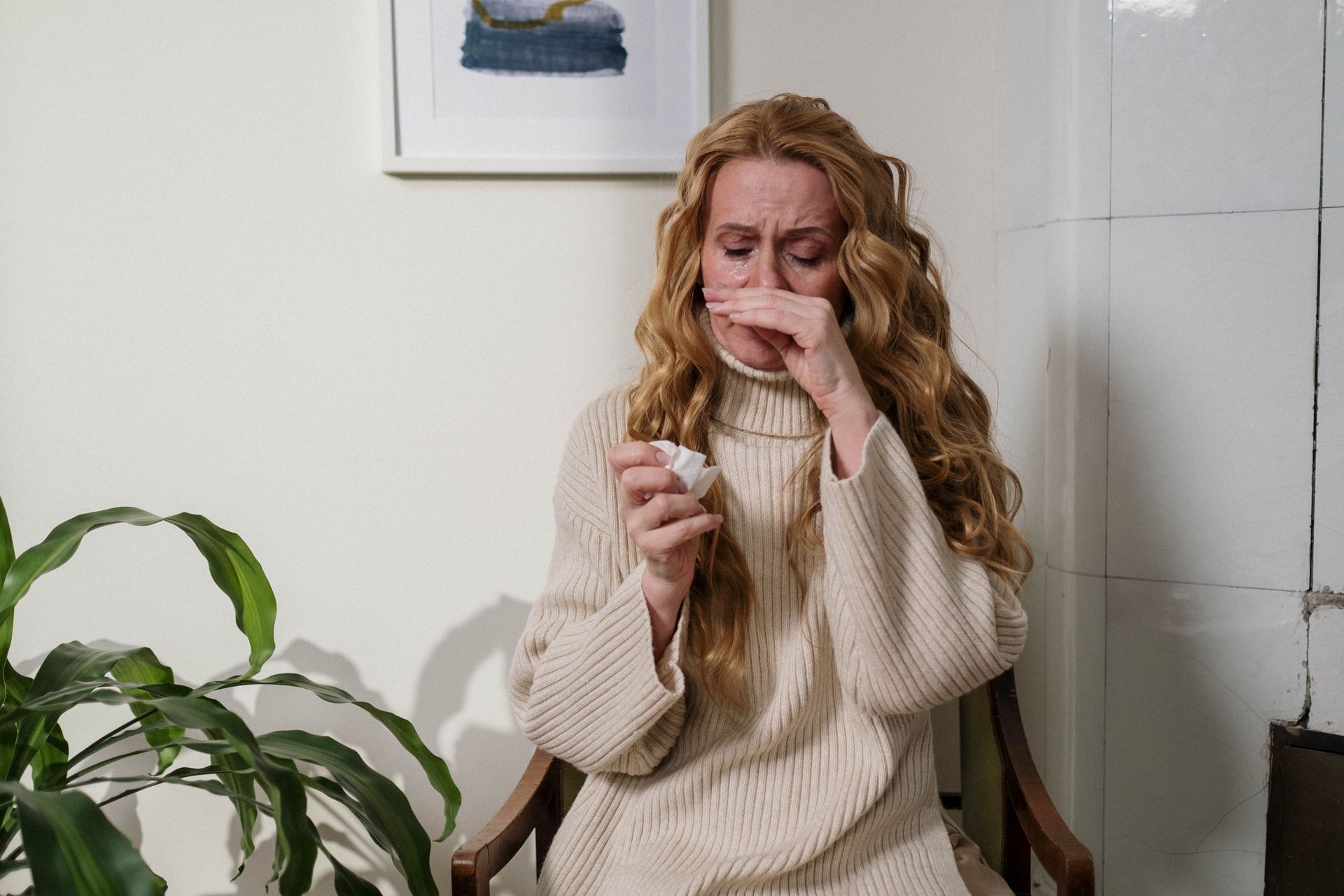
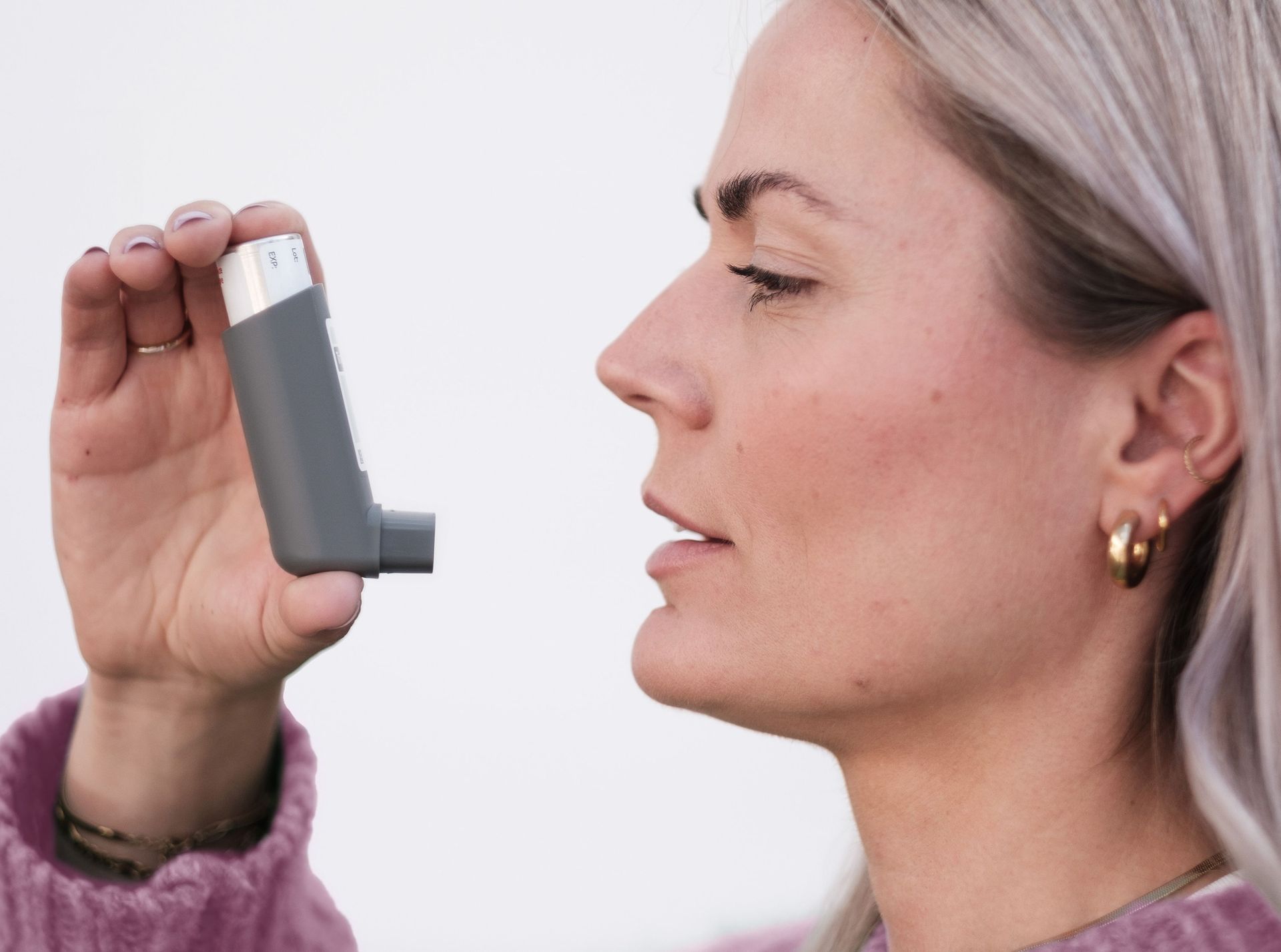
Here is a fact about asthma that nobody tells you until you are wheezing in a Walgreens parking lot at 2 a.m.: your lungs do not care that you have plans. You could be halfway through mowing the lawn, halfway through a nice romantic evening, or halfway through explaining to your boss why the quarterly report is late, and your airways will simply announce, with zero warning and zero regard for your calendar, that they have decided to close for renovations.


I am bringing this up because a lot of people treat asthma the way they treat a "check engine" light: as a suggestion. It is not a suggestion. Roughly 25 million Americans have asthma, according to the Centers for Disease Control, which is a government agency that I assume also has asthma, given how often it wheezes to a halt right before a shutdown.


Asthma, for those lucky enough not to know, is a condition where your airways get inflamed and twitchy and narrow up in response to triggers, making it hard to breathe. It ranges from "mild annoyance" to "genuine medical emergency," and the tricky part is you don't always get to pick which one shows up.


The triggers themselves are a whole personality. Some people's lungs object to pollen. Some object to cats. Some object to cold air, which means their lungs are essentially small, judgmental Floridians. And some people's asthma is triggered by exercise, which — speaking as someone who has met my own gym membership card exactly four times — feels less like a medical condition and more like a valid excuse I wish I'd had in gym class.


Let's talk set piece, because your lungs deserve one. Here is a Frequently Asked Questions session, conducted entirely with your own respiratory system, which, based on my experience, answers everything in a tone of weary disappointment.


Q: Why now? I was fine five minutes ago. A: You were never fine. You were simply between episodes.


Q: I feel a little tight in the chest, but I'm sure it will pass. A: It will not pass. It will, however, get much more interesting around 3 a.m.


Q: Can I just use my inhaler from 2019 that I found in a jacket pocket? A: You may use it. It will do roughly as much good as waving the jacket at your face.


Q: Do I really need an action plan from my doctor? A: Yes. I am not a plan. I am weather.


That last answer, unfortunately, is the truest thing your lungs will ever say to you. Asthma behaves like weather — it has patterns, it has seasons, and it can absolutely still surprise you, which is exactly why a written asthma action plan from your physician matters so much. It tells you, in advance, what to do at each stage: what your daily control medication is, what to do when symptoms creep up, and when "creep up" has turned into "go to the emergency room, and do not stop for gas."


Here is the escalation nobody enjoys admitting to. Stage one is denial: a little cough here, a little tightness there, easily blamed on "allergies" or "that thing going around." Stage two is negotiation: rationing puffs from an inhaler like it's the last helicopter out of a war movie. Stage three is the part where you are gripping a steering wheel with both hands, driving yourself to urgent care because you didn't want to "make a big deal out of it," which is a sentence that has personally cost more lung tissue than every cigarette commercial from 1962 combined.


You do not have to get to stage three. That is really the whole point of this column, buried under the jokes like a vegetable under mashed potatoes. A pulmonologist can identify your specific triggers, get you on the right combination of controller and rescue medications, and build you a plan so that a bad asthma day is a manageable event instead of a plot twist.


Modern asthma treatment, by the way, is genuinely good. We're not in the era of "breathe into this paper bag and hope." There are inhaled corticosteroids, combination inhalers, and for more severe or stubborn cases, biologic medications that target the specific inflammation driving your symptoms — the kind of targeted treatment that, twenty years ago, would have sounded like science fiction, and now is just a Tuesday appointment.


If you are someone who has been quietly white-knuckling your way through wheezy nights, blaming it on being "out of shape," or treating your inhaler as a once-a-summer emergency flare rather than part of an actual plan — that is worth a real conversation with a pulmonologist, not just a pep talk from a guy writing jokes about your trachea.


Your lungs work every single minute of every single day without asking for a raise, a vacation, or so much as a thank-you card. The least you can do is not wait until 2 a.m. to take them seriously.


Breathe accordingly.

August 31, 2026
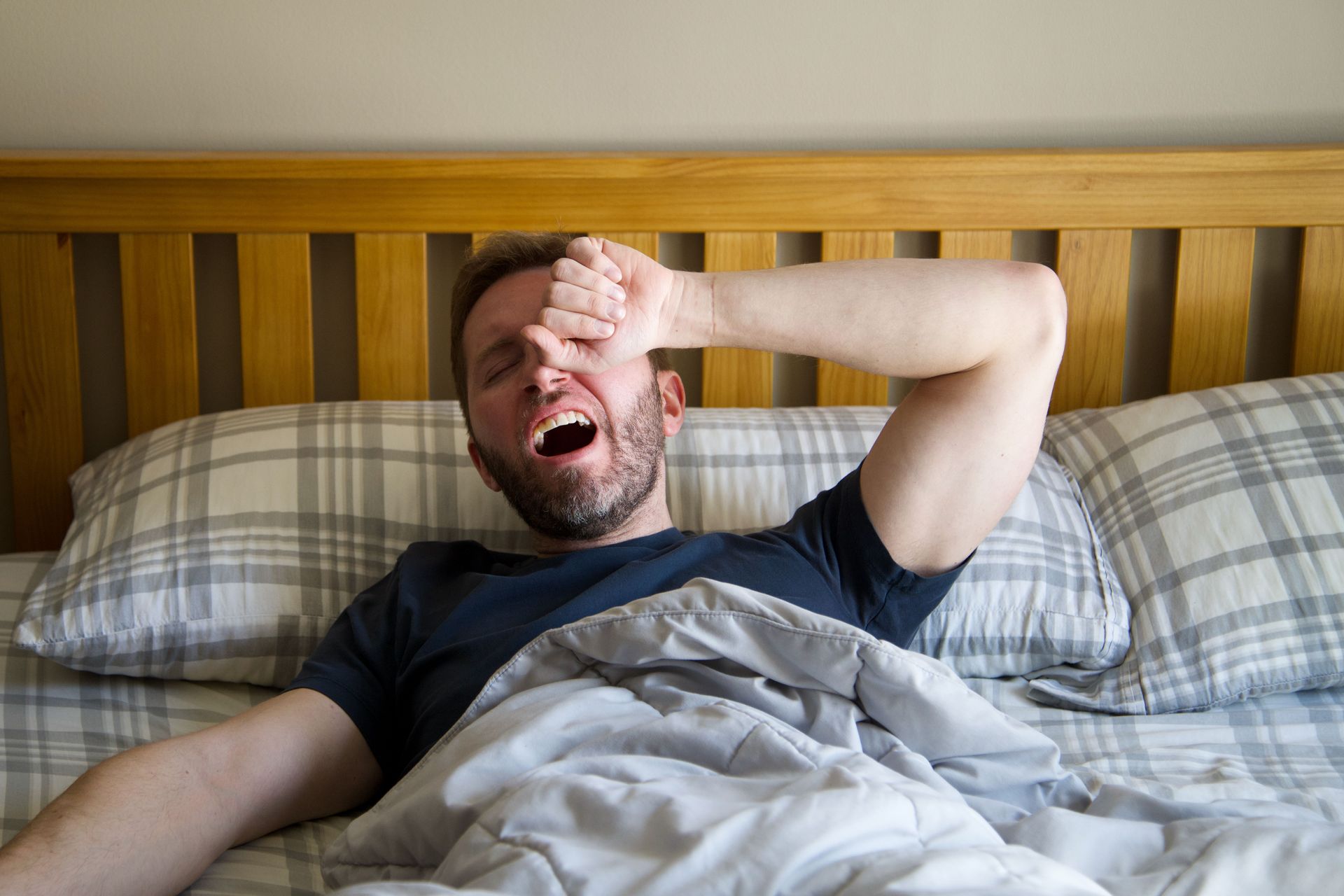
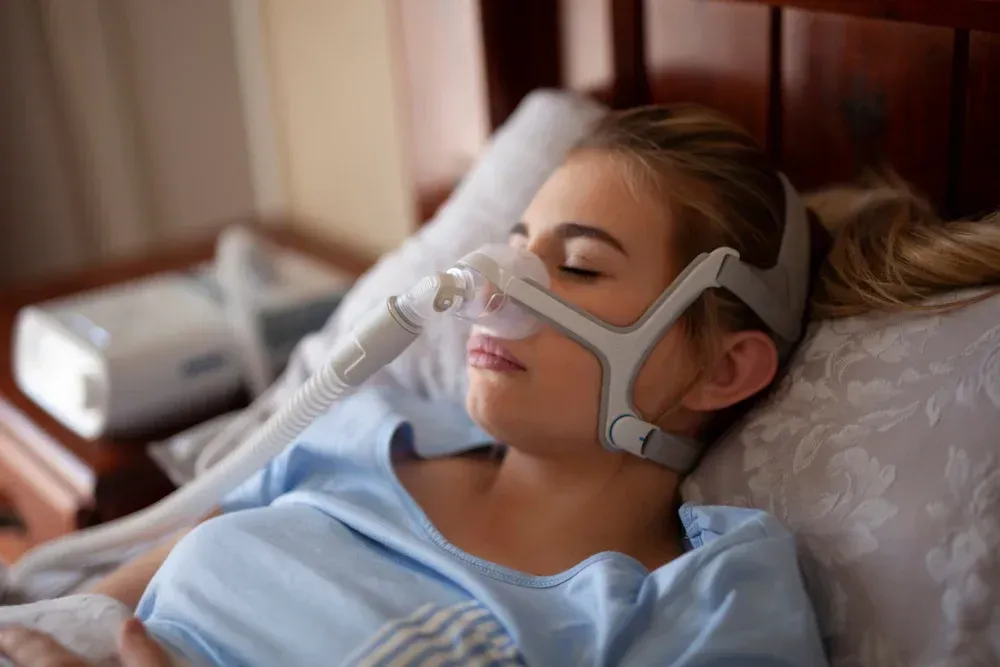
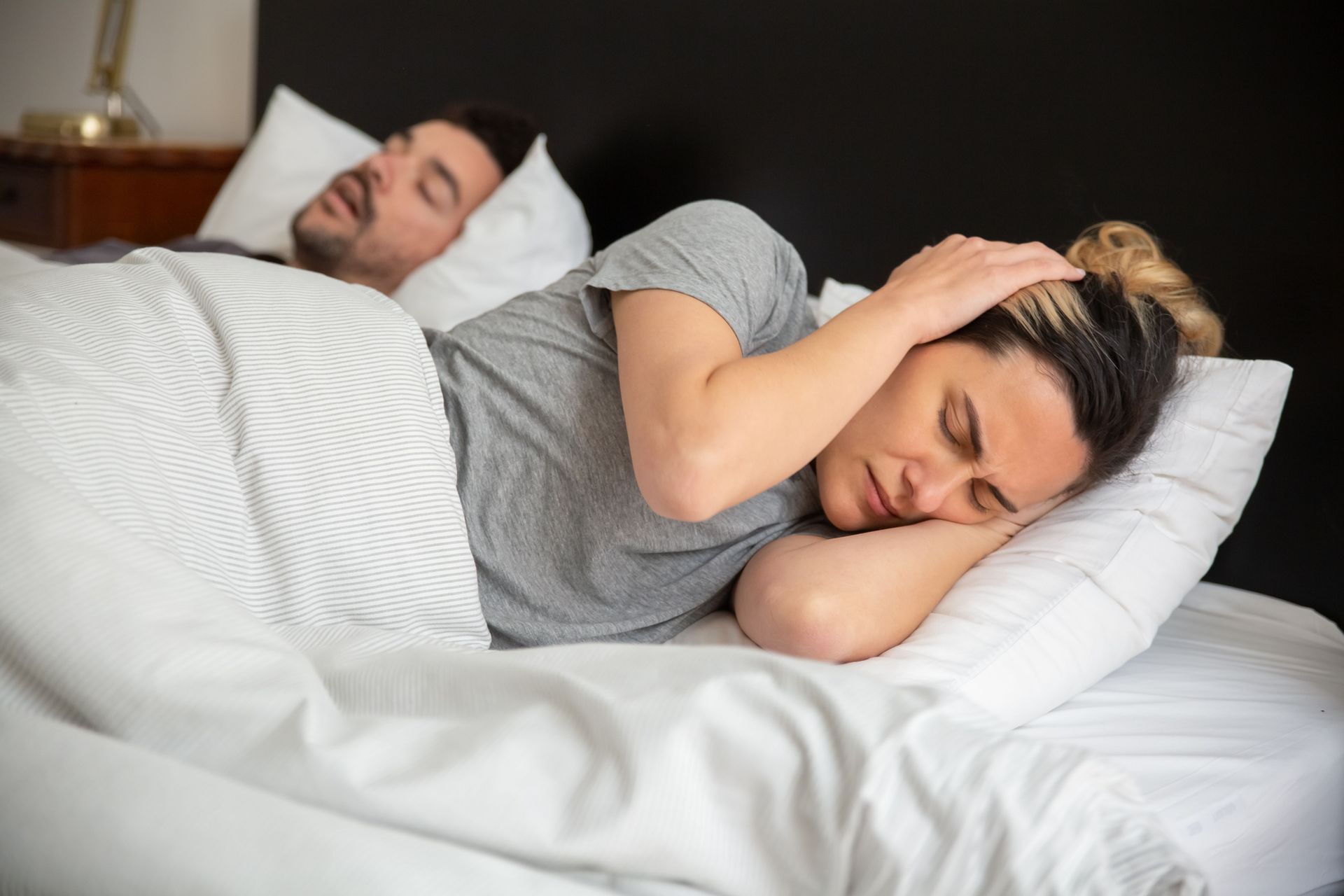
I want you to picture something. It is 11:47 p.m. You are lying in bed. Strapped to your face is a device that looks like it was designed by NASA engineers who were told to make something "vaguely elephant-adjacent," and it is connected by a tube to a machine on your nightstand that hums with the quiet confidence of a small, judgmental robot. This is your life now. Congratulations. You have sleep apnea, and your doctor has prescribed you a CPAP machine, which stands for Continuous Positive Airway Pressure, though most first-time users translate it as Consistently Perplexing Apparatus Predicament. I am not making that up about the elephant thing. Go look at one. I'll wait. Here is the situation, in case you are new to this: a whole lot of people who get handed a CPAP machine try it for a night or two, decide it feels like sleeping next to Darth Vader gargling, and quietly shove it in a closet, never to be spoken of again. This is a problem, because CPAP is spectacularly effective at treating obstructive sleep apnea, which is a condition where your throat tissue collapses at night and repeatedly cuts off your breathing, sometimes hundreds of times, which is not the sort of thing you want happening while you are unconscious and defenseless. But getting used to CPAP is, for many people, roughly as smooth and dignified as teaching a raccoon to use a napkin. So let's talk about why, and what you can actually do about it. The Big Three Struggles The Mask. CPAP masks come in roughly nine hundred varieties — full-face masks, nasal masks, nasal pillow masks, and at least one design that appears to have been inspired by a jousting helmet. Whichever one your sleep lab handed you, there is an excellent chance it does not fit correctly, because fitting a mask to a sleeping human face is a bit like fitting a saddle to a cloud. Straps end up too tight, leaving a red groove across your forehead that makes you look like you lost a fight with a waffle iron. Or the straps are too loose, and air escapes with a sound best described as a tiny, furious whistle aimed directly into your eyeball at 3 a.m. The Air. The machine pushes air into your nose and throat at a pressure that has been mathematically calculated by a sleep physician to keep your airway open. Your body, which has never seen this before and does not appreciate surprises, initially reacts as though someone is trying to inflate you like a pool float. Some people feel like they're fighting the machine to exhale. Some people swallow air and wake up feeling like they've eaten a hot air balloon. Everything Else. Dry mouth. Stuffy nose. Feeling like a fighter pilot who somehow ended up in a Motel 6. A spouse who, for the first week, treats the whole apparatus as a delightful new hobby ("Show me the tube again!") and by week three has begun sleeping in the guest room. Claustrophobia. The distinct sensation, upon first putting it on, that you have joined a support group for people who used to have faces. A Word From Our Sponsors: The CPAP Adjustment Q&A Q: I put the mask on for four minutes last night before ripping it off in a panic. Is that progress? A: Yes. Four minutes is more than three minutes. This is how the whole thing works. Nobody sleeps eight full hours on night one. Nobody. Q: My mask leaks air directly into my eyeball every night at approximately 2:15 a.m. Is this a design flaw? A: No, this is a fit flaw, and it is fixable. It is not, in fact, a permanent feature of your marriage to this machine. Q: I feel like I'm suffocating, even though the machine is technically providing me with more air than I would otherwise be getting. A: This sensation is extremely common and almost never reflects what is actually happening. Most modern machines have a feature that lowers pressure the moment you exhale, specifically so you don't feel like you're breathing into a hurricane. If yours doesn't have this and it's driving you nuts, that's a conversation for your provider, not a reason to give up. Q: Are you a senior citizen who has never operated a piece of medical equipment more advanced than a thermometer? A: You're in good company. So is roughly a third of everyone starting CPAP. The machine does not know or care how old you are. It just wants to help you breathe. Try to feel the same way about it. Q: My mouth is drier than a legal deposition by the time I wake up. A: Either you are mouth breathing while trying to use a nasal mask, or your humidifier may need some adjustment. It's best to talk to your healthcare provider to help resolve this issue to make sure you are addressing the root problem. Okay, Seriously For a Minute Here's the part where the jokes step aside, because this matters. Untreated sleep apnea is not a minor inconvenience. It's linked to high blood pressure, heart disease, stroke, type 2 diabetes, and daytime fatigue severe enough to make driving genuinely dangerous. CPAP, when it's used consistently, dramatically reduces those risks and — this is the part patients often don't expect — tends to change how they feel almost immediately. People describe waking up without a headache for the first time in years. Spouses describe getting a full night's sleep for the first time in years, mostly because the snoring stops. The struggles in the first few weeks are real, but they are also almost always solvable. A poor mask fit isn't something to white-knuckle through — it's something to bring back to your provider so they can try a different style or size. Nasal congestion often improves with a humidified, heated tube. Claustrophobia responds well to simply wearing the mask for short stretches while awake and watching TV, before ever trying to sleep in it. None of this requires heroics. It requires troubleshooting, and troubleshooting is exactly what a good pulmonary and sleep medicine team is for. What Actually Helps Start small. Wear the mask while reading or watching television before attempting sleep in it. Let your face and brain get bored of it. Get refitted, not frustrated. If it leaks, hurts, or leaves marks, that is a sizing or style problem, not a you problem. Turn on the humidifier. Yes, again. It really is that important. Use the ramp feature , if your machine has one — it starts at low pressure and gradually increases as you fall asleep, instead of blasting you the moment you lie down. Track your data. Most machines report how many hours you used it and how effective it was. Bring that information to your follow-up appointment instead of guessing. Give it time, and give your provider a call. Almost every common CPAP complaint has a known fix. You just have to ask. If you've been prescribed CPAP and you're struggling — or if you suspect you have sleep apnea and haven't been evaluated yet — that's exactly the kind of thing our sleep medicine specialists handle every single day. You are not the first person to feel like you're wrestling an elephant at bedtime, and you will not be the last, but with the right adjustments, most people get there. Sleep well. Or at least better than you did last night wearing that thing sideways.
August 28, 2026
The body content of your post goes here. To edit this text, click on it and delete this default text and start typing your own or paste your own from a different source.
February 29, 2020
Obstructive Sleep Apnea (OSA) is a common sleep disorder that is estimated to impact 20 million adults in the United States. Unfortunately, according to the best estimates, approximately 80% of these patients remain undiagnosed.
February 29, 2020
Asthma is a condition that can make it hard to breathe. Asthma does not always cause symptoms. But when symptoms occur, they can be scary. Asthma attacks happen when the airways in the lungs become narrow and inflamed. Asthma can run in families.