Sleep Apnea Never Sleeps (Even Though You're Trying To)
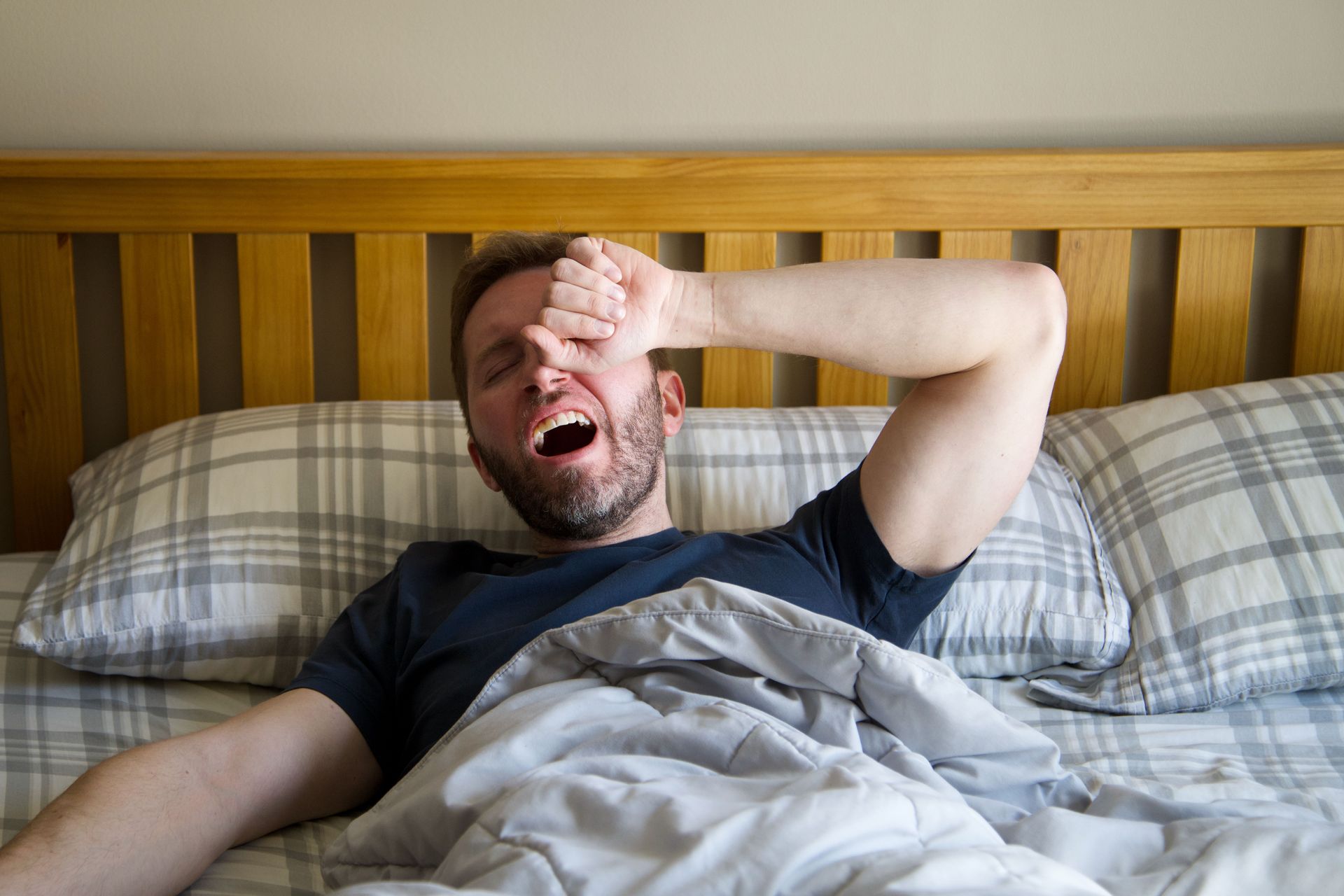
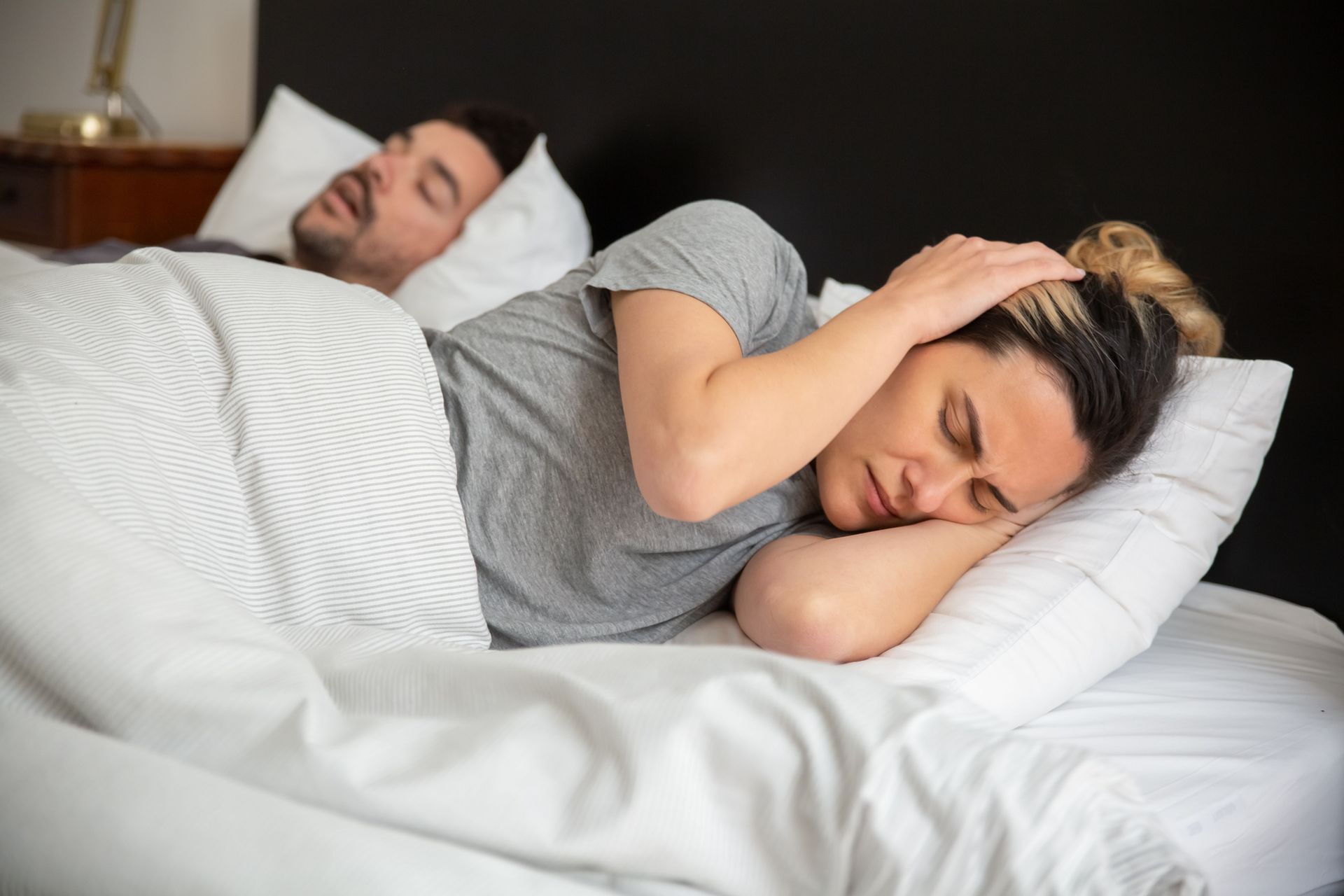
There is a very good chance that, last night, you stopped breathing several dozen times, made a sound like a Buick trying to parallel park, and then this morning told your spouse "I slept great" with the confidence of a man who has never once been asked to prove it under oath.
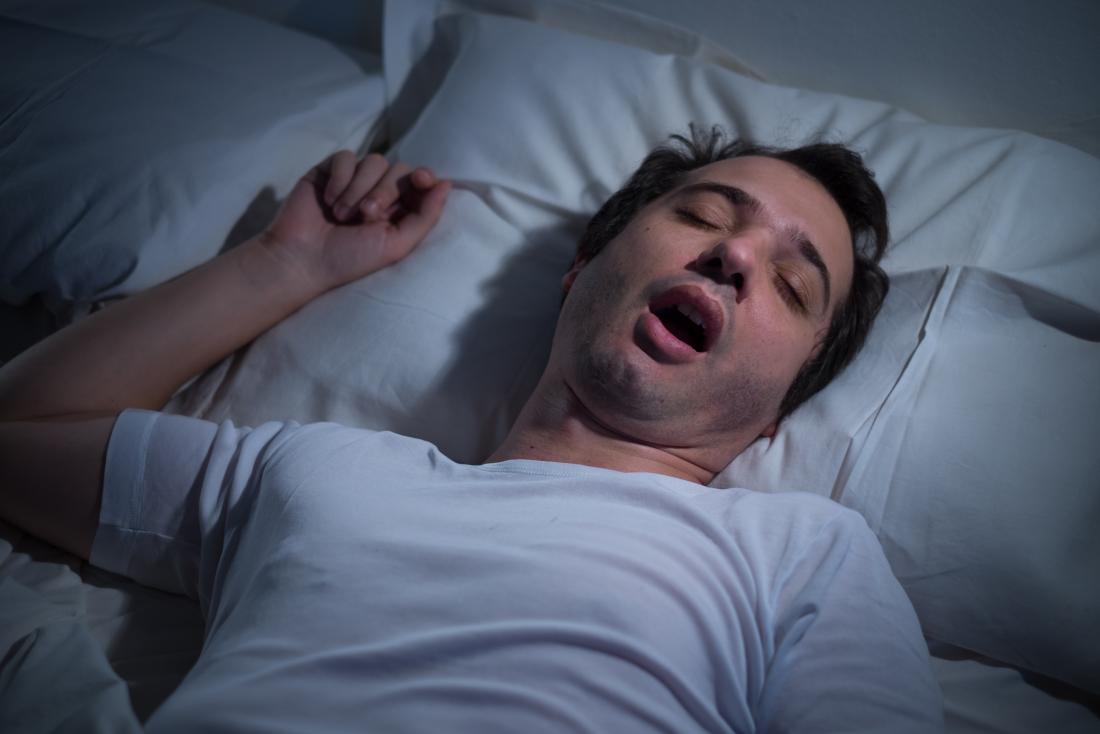
This is sleep apnea. It is not a quirky personality trait, like collecting spoons or being weirdly into the metric system. It is a medical condition in which your airway collapses over and over during sleep, your oxygen levels take a dive, and your brain has to jolt you awake — just enough to breathe, not enough for you to remember it — sometimes hundreds of times a night. You get zero credit for these heroic self-rescues. You just wake up tired, blame the mattress, and buy a new mattress. I want to be clear that this has never once fixed sleep apnea. Mattress companies know this. They are not going to be the ones to tell you.
Left untreated, sleep apnea does not politely wait around being annoying. It gets ambitious. It has been linked to high blood pressure, heart disease, stroke, type 2 diabetes, and a daytime drowsiness so profound that otherwise sensible adults have fallen asleep at stoplights, in meetings, and — I am not making this up — while operating heavy machinery whose entire safety design assumes the operator is conscious. Your body, in other words, is quietly running a night shift you never approved and did not get paid for.
A Word From Our Legal Department (There Is No Legal Department, But There Should Be a Q&A)
Q: I don't snore. Doesn't that mean I'm fine? A: Not necessarily. Plenty of people with sleep apnea snore like a wood chipper; plenty of others just quietly stop breathing in polite silence, which is somehow worse, because nobody even gets to complain about it.
Q: My spouse says I stop breathing and then gasp like I've surfaced from a shipwreck. Should I be concerned? A: Yes. This is called an apnea event, not a personality bit.
Q: Are you a senior citizen? A: If so, your risk goes up, but so does everyone else's — sleep apnea shows up in overweight adults, thin adults, kids with large tonsils, and, frankly, anyone with a throat, which is most of you.
Q: Fine. But I'm exhausted all the time anyway because I have a stressful job/three kids/a golden retriever who believes 5 a.m. is a reasonable hour. How would I even know the difference? A: This is the exact reasoning that has kept sleep apnea undiagnosed in an estimated 80 percent of people who have it. You have simply redefined "dangerously sleep-deprived" as "Tuesday."
Q: Are you a senior citizen, though? Specifically? A: We already asked you this. That's the joke. It's also, unfortunately, a real risk factor, along with a thick neck, a family history, and nasal congestion that never quits. Sleep apnea does not care how old you are. It is an equal-opportunity airway collapser.
Here Is the Part Where I Stop Joking
I want to be straight with you for a second, because this matters more than the jokes do. Untreated sleep apnea is a real cardiovascular risk. The repeated drops in oxygen strain your heart, spike your blood pressure while you sleep — when it's supposed to be resting — and over years, meaningfully raise your risk of heart attack, stroke, and irregular heart rhythms. It also wrecks concentration, mood, and safety behind the wheel. This is not a "toughen up" situation. It's a "your organs are quietly filing a complaint" situation, and the complaint has merit.
The good news: sleep apnea is one of the most fixable serious medical conditions out there, and diagnosing it has gotten a lot less dramatic than it used to be. A sleep study — sometimes done overnight at a sleep center, sometimes with a simplified home testing device you wear to bed like a slightly nerdy Fitbit — measures your breathing, oxygen levels, and sleep patterns to see what's actually happening while you're unconscious and unable to argue about it.
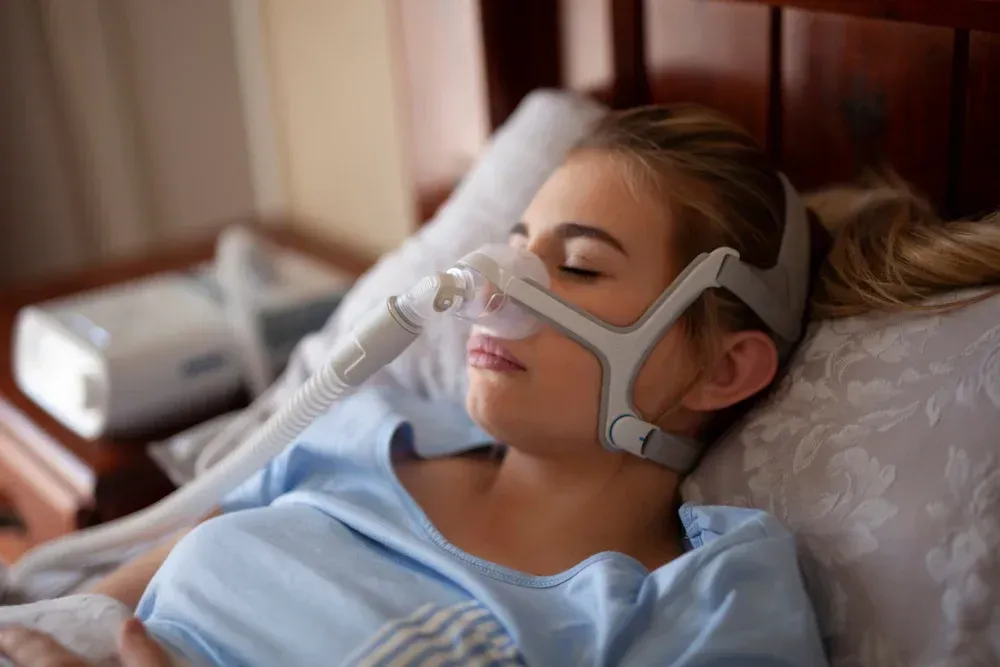
If you're diagnosed, treatment isn't one-size-fits-all. Options include CPAP therapy (a machine that gently keeps your airway open with pressurized air — genuinely life-changing for most people once they find the right mask, which, yes, can take some trial and error), oral appliances that reposition your jaw, positional therapy, weight management support, and in some cases surgical options. None of it works if it stays in a drawer or gets dismissed after one uncomfortable night. Give it a real chance, and loop in your care team when something isn't working, instead of quietly declaring defeat.
What To Actually Do About This
If your bed partner has ever elbowed you awake mid-snore, if you wake up with headaches or a parched-desert throat, or if you find yourself nodding off during the day despite a full night "asleep," it's worth getting checked. A sleep evaluation is not an accusation. It's information. And it's a lot easier to act on information than on a vague, mounting suspicion that your Buick-in-a-parking-lot impression is doing long-term damage.
Our pulmonary and sleep medicine team evaluates and treats sleep apnea every day — from the first conversation through the sleep study through finding a CPAP setup that you'll actually tolerate. Schedule a consultation. Your heart, your brain, and everyone within snoring distance of you will thank you.
Get some real sleep. Your organs are begging.