
Oxygen Assessment
Oxygen assessments are used to evaluate how well your body maintains oxygen levels at rest, with activity, and during sleep. Using simple, non-invasive monitoring, these tests help determine the need for supplemental oxygen and guide appropriate treatment decisions.

Understanding Oxygen Testing
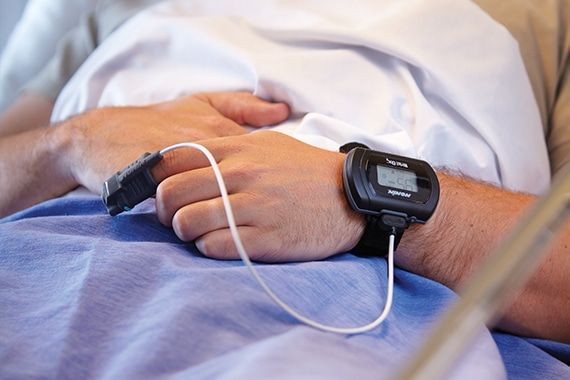
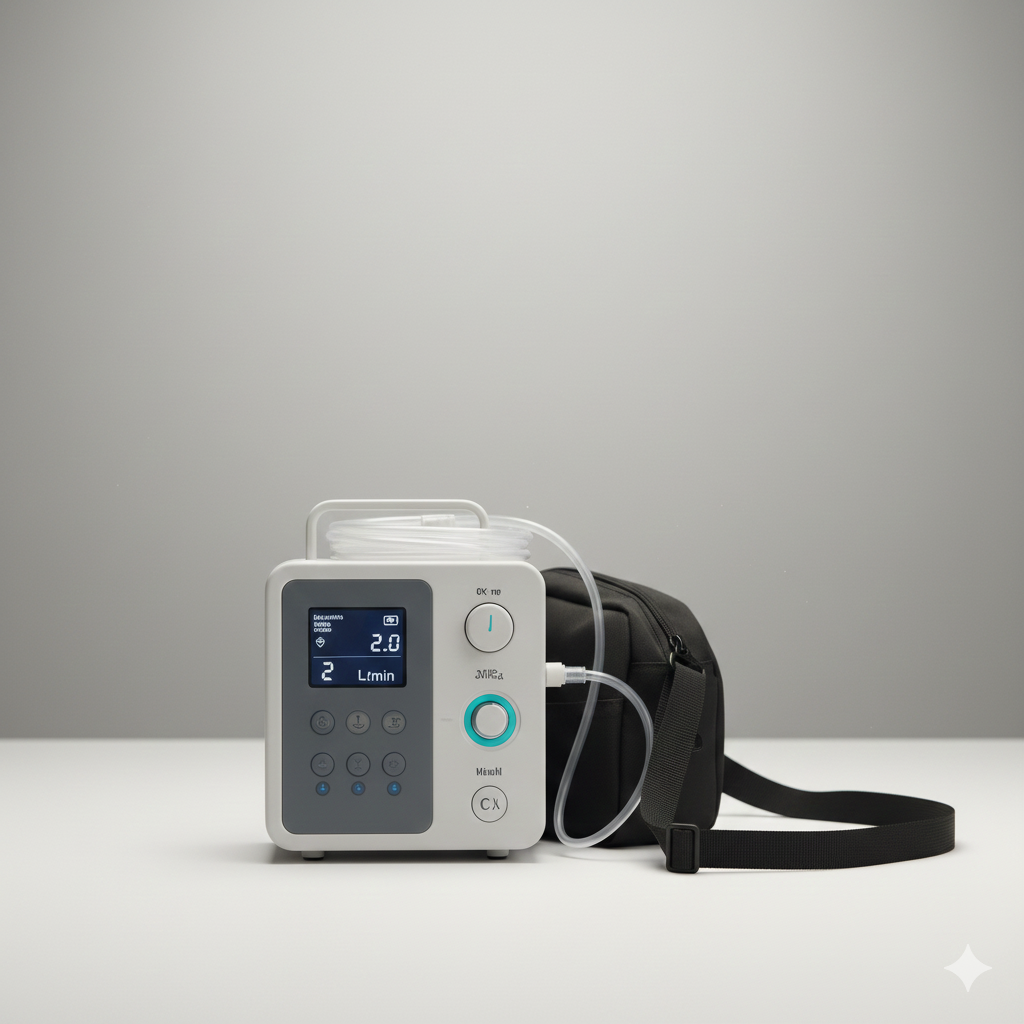
Oxygen assessments are performed using several non-invasive methods to measure how well oxygen levels are maintained under different conditions. These may include resting oxygen measurements, walking or exertional testing, and overnight oximetry to evaluate oxygen levels during sleep. Each method provides important information about when and how oxygen levels drop, helping determine whether supplemental oxygen is medically necessary. Insurance companies require these assessments to document objective evidence of oxygen need, ensure coverage criteria are met, and confirm that oxygen therapy is prescribed appropriately and safely based on standardized medical guidelines.
Evaluate the Need for Oxygen at Night
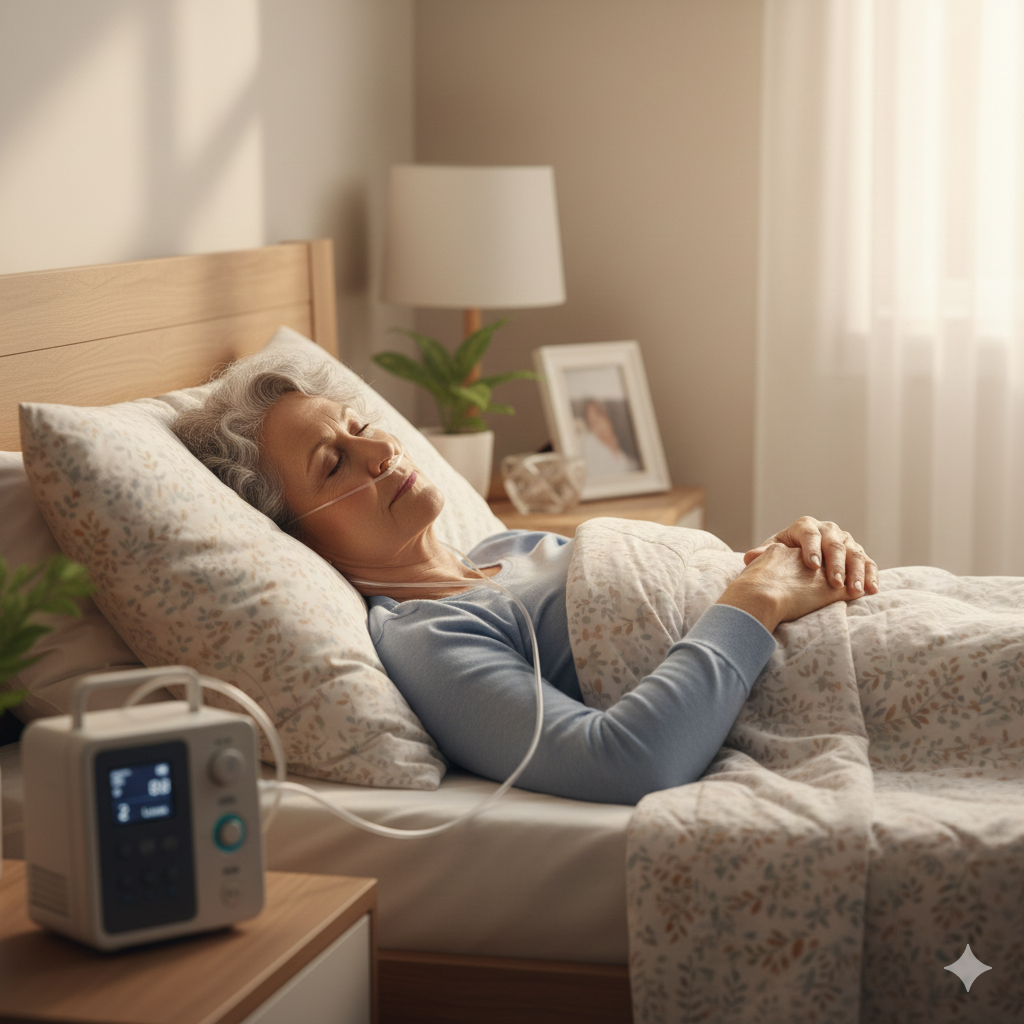
Overnight oximetry is commonly used to determine whether a patient may need supplemental oxygen during sleep, and it can be performed with or without CPAP therapy. By continuously monitoring oxygen levels throughout the night, the test helps identify sustained or repeated drops in oxygen saturation that occur during sleep, including while a patient is using CPAP. These results allow clinicians to assess whether oxygen levels fall below recommended thresholds, how often this occurs, and for how long. This information is essential for determining the medical necessity of nocturnal oxygen therapy and for guiding appropriate treatment decisions to support safe and effective nighttime breathing.
6-Minute Walk Test
A 6-minute walk test is used to evaluate how well your heart and lungs respond to physical activity and to assess oxygen levels during exertion. During the test, you will walk at a comfortable pace for six minutes while distance, oxygen saturation, heart rate, and symptoms are monitored. The results help determine functional capacity, evaluate the need for supplemental oxygen with activity, and guide treatment and insurance documentation.