Pulmonary Function Test (PFT)
Pulmonary Function Testing (PFT) provides detailed insight into how well your lungs are working. Performed in-office and interpreted by our pulmonary specialists, these tests help diagnose breathing conditions and guide personalized treatment decisions.
Types of PFT Testing
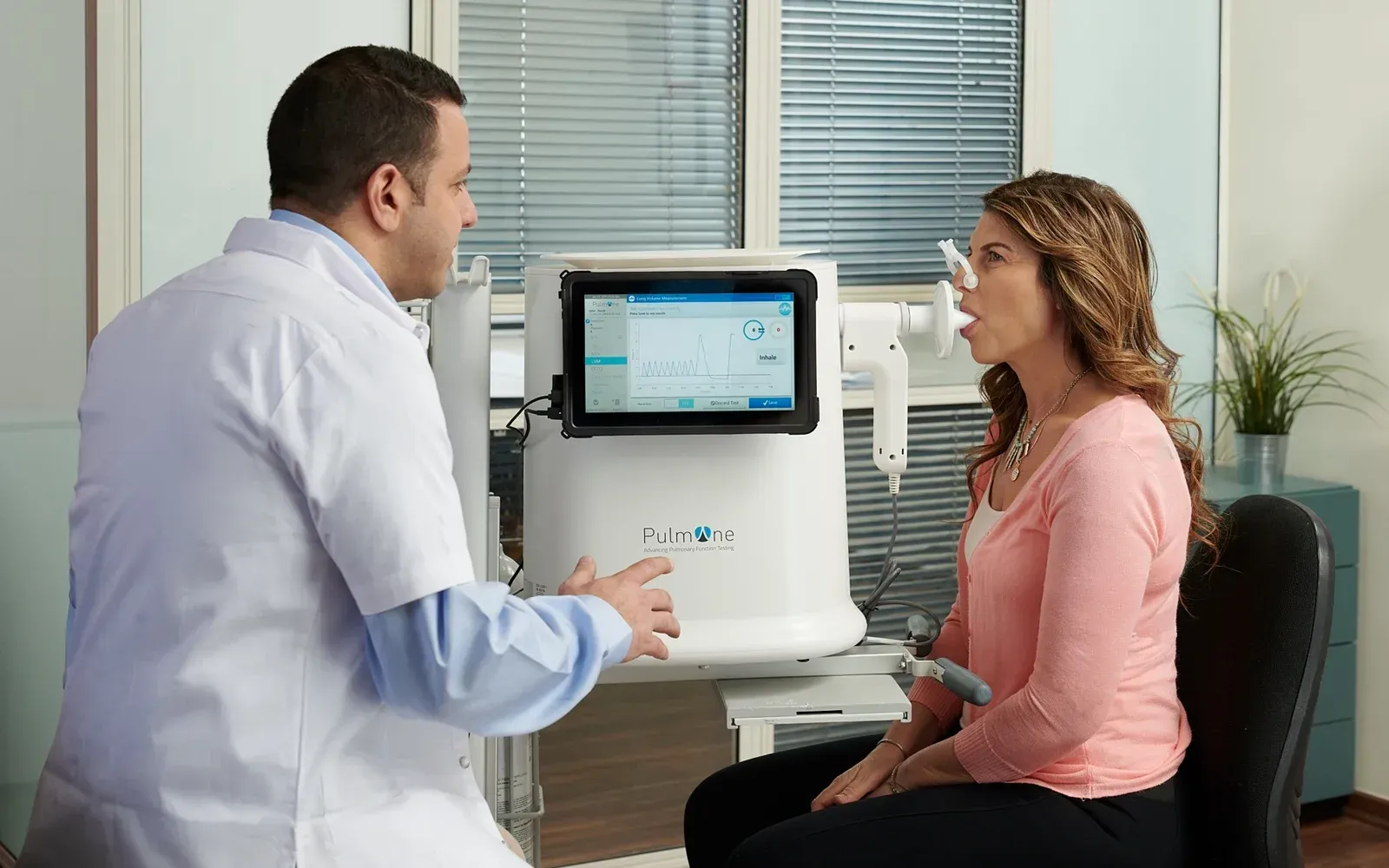
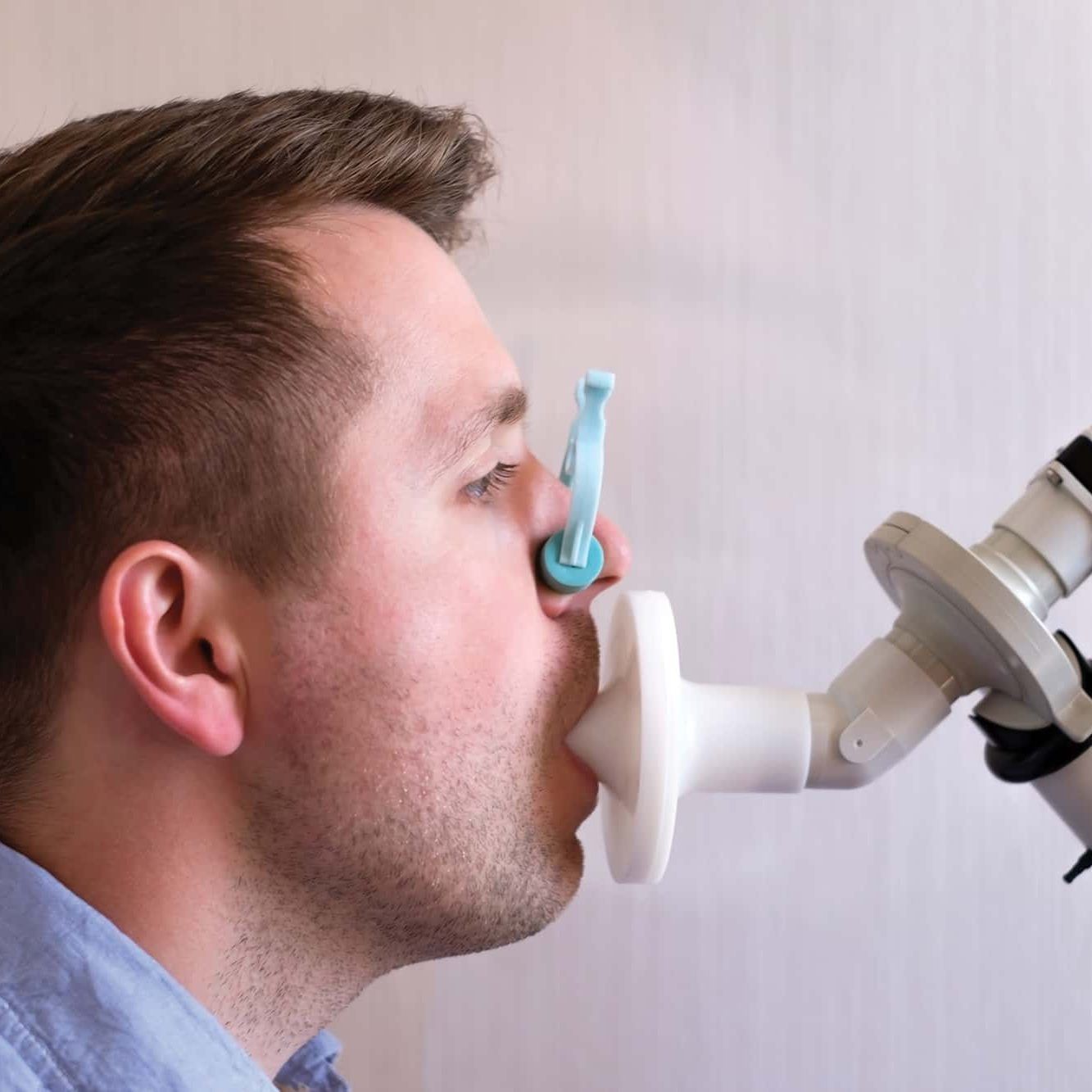
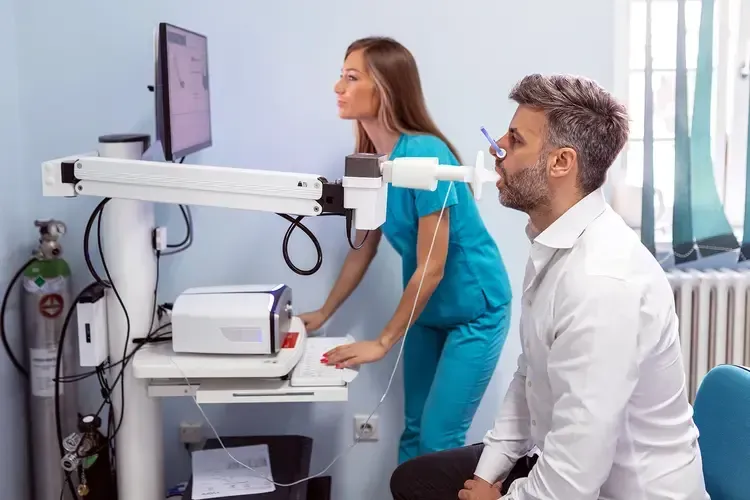
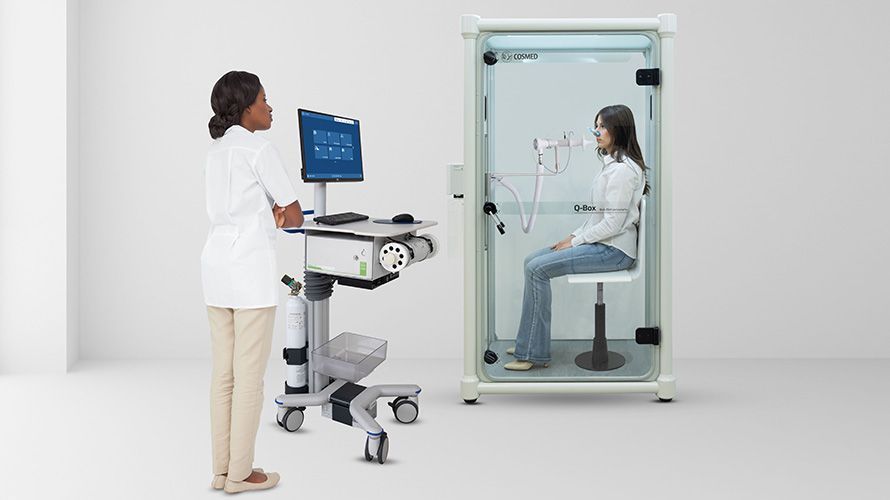
At Athens Pulmonary & Sleep Medicine, we offer a full range of pulmonary function testing to provide a detailed evaluation of lung health. Spirometry, the most commonly performed PFT, measures how much air you can forcefully exhale and how quickly, and is a gold standard for diagnosing conditions such as asthma and COPD. Lung volume testing (body plethysmography) assesses the total amount of air your lungs can hold, including the air that remains after exhaling, and is performed inside a clear, airtight booth for precise measurement. A gas diffusion study (DLCO) evaluates how efficiently oxygen moves from the lungs into the bloodstream by using a very small, harmless amount of tracer gas, helping assess the health of lung tissue and overall gas exchange.
Spirometry
Spirometry is the most commonly performed pulmonary function test and is considered the gold standard for evaluating airflow and diagnosing conditions such as asthma and chronic obstructive pulmonary disease (COPD). During this test, you will be asked to take a deep breath and then exhale as forcefully and completely as possible into a mouthpiece. The test measures how much air you can blow out and how quickly you can do it, providing important information about airway obstruction or restriction. Spirometry may be repeated after using a bronchodilator medication to assess how well your lungs respond to treatment and to help guide ongoing care.
Gas Diffusion Study (DLCO)
A gas diffusion study, also known as DLCO testing, measures how efficiently oxygen moves from the air sacs in your lungs into your bloodstream. During the test, you will inhale a very small, harmless amount of tracer gas (carbon monoxide) mixed with air, hold your breath briefly, and then exhale. The test analyzes how much of the gas is absorbed by the lungs, offering insight into the health of lung tissue, the air sacs, and the blood vessels within the lungs. DLCO testing is particularly helpful in evaluating conditions such as interstitial lung disease, pulmonary fibrosis, emphysema, and pulmonary vascular disorders.
Lung Volume Testing (Body Plethysmography)
Lung volume testing measures the total amount of air your lungs can hold, including the air that remains in the lungs after you fully exhale. This test is performed while you sit comfortably inside a clear, airtight booth and breathe through a mouthpiece as instructed by the technician. By measuring pressure changes within the booth, the test provides highly accurate information about lung capacity and helps differentiate between obstructive and restrictive lung diseases. Lung volume testing is especially useful for evaluating complex breathing disorders and understanding how lung mechanics are affecting symptoms.